
Best Wishes from ANIRAH to OKOWA
By Tega Ezekiel Ughara — 8th July, 2020
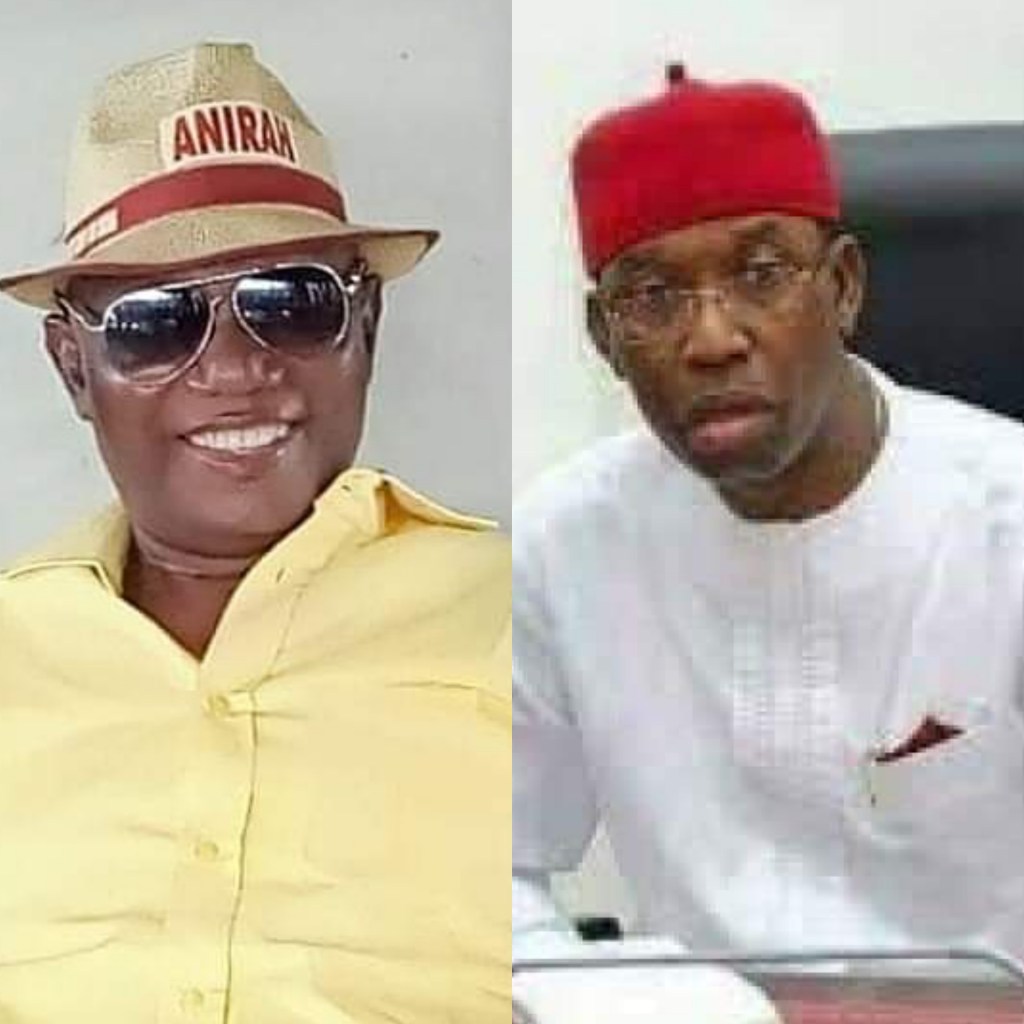
Asaba, DTS. Felix Anirah Political Platform (FAPP) Media— Hon. (Hi-Chief) Felix Uruemuesiri ANIRAH, wishes Governor Ifeanyi Arthur OKOWA a Happy Birthday, as he add another 366 days to his new age.
“Your leadership means so much to this state. The positive impact of your administration on the people of Delta state can not be over emphasized,” ANIRAH.
“On this very day, I pray that the Almighty God continue to strengthen you as you lead us, grant you more of his wisdom even as my constituents and I wish you quick recovery as we need you mostly at this trying time. Happy birthday! Ekwueme Gburugburu,” ANIRAH.
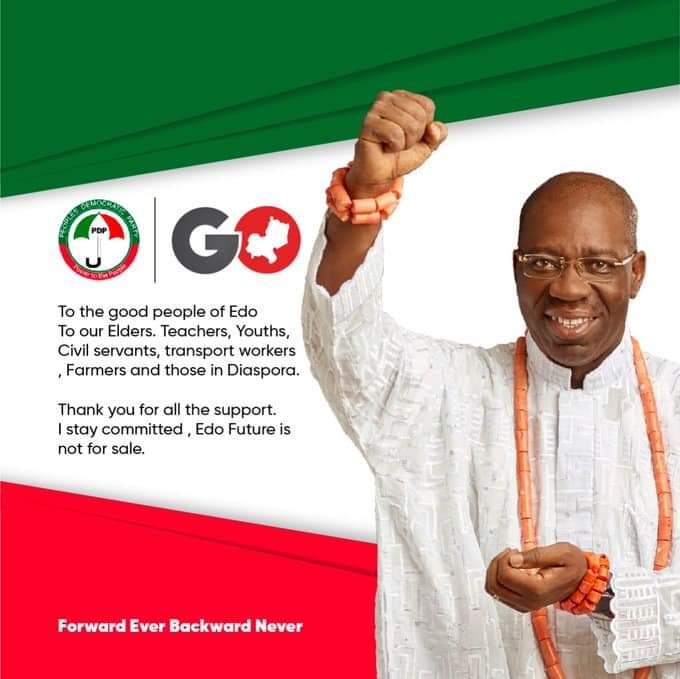
Just in: Governor Godwin OBASEKI, emerged as PDP governorship candidate for Edo 2020…
Happy Father’s Day to the man who taught me all I know today, how to read and write, how to farm and pretty much every other important thing I know about life and living!Happy Father’s day to you Papa!
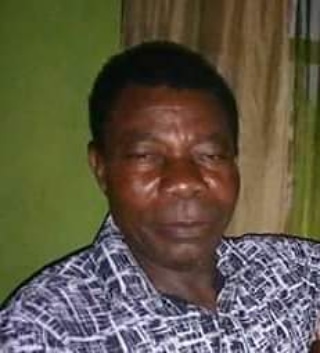
ANIRAH MOURNS WITH THE OVERAHS
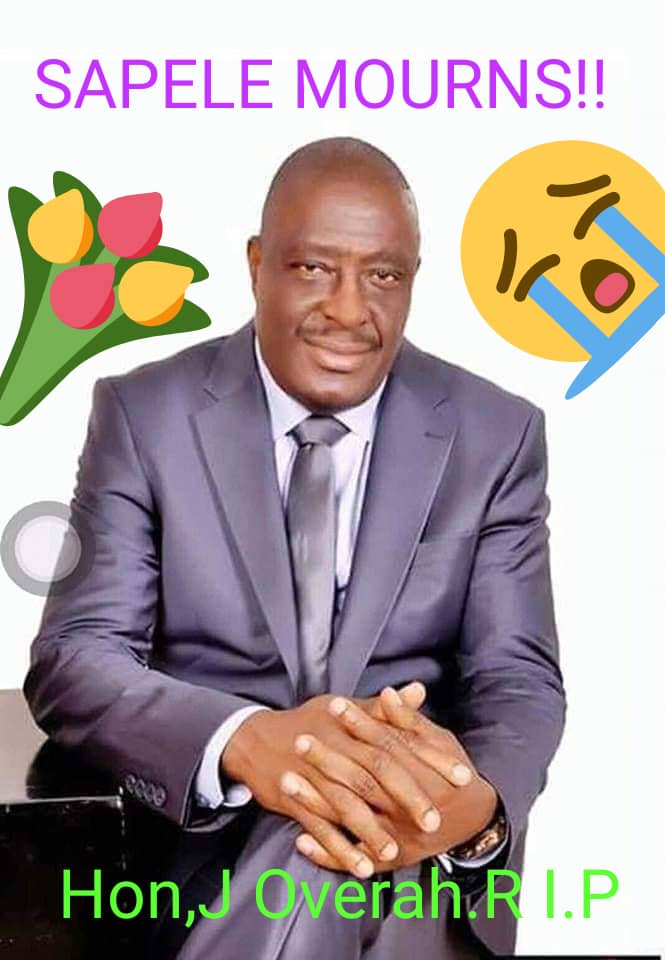
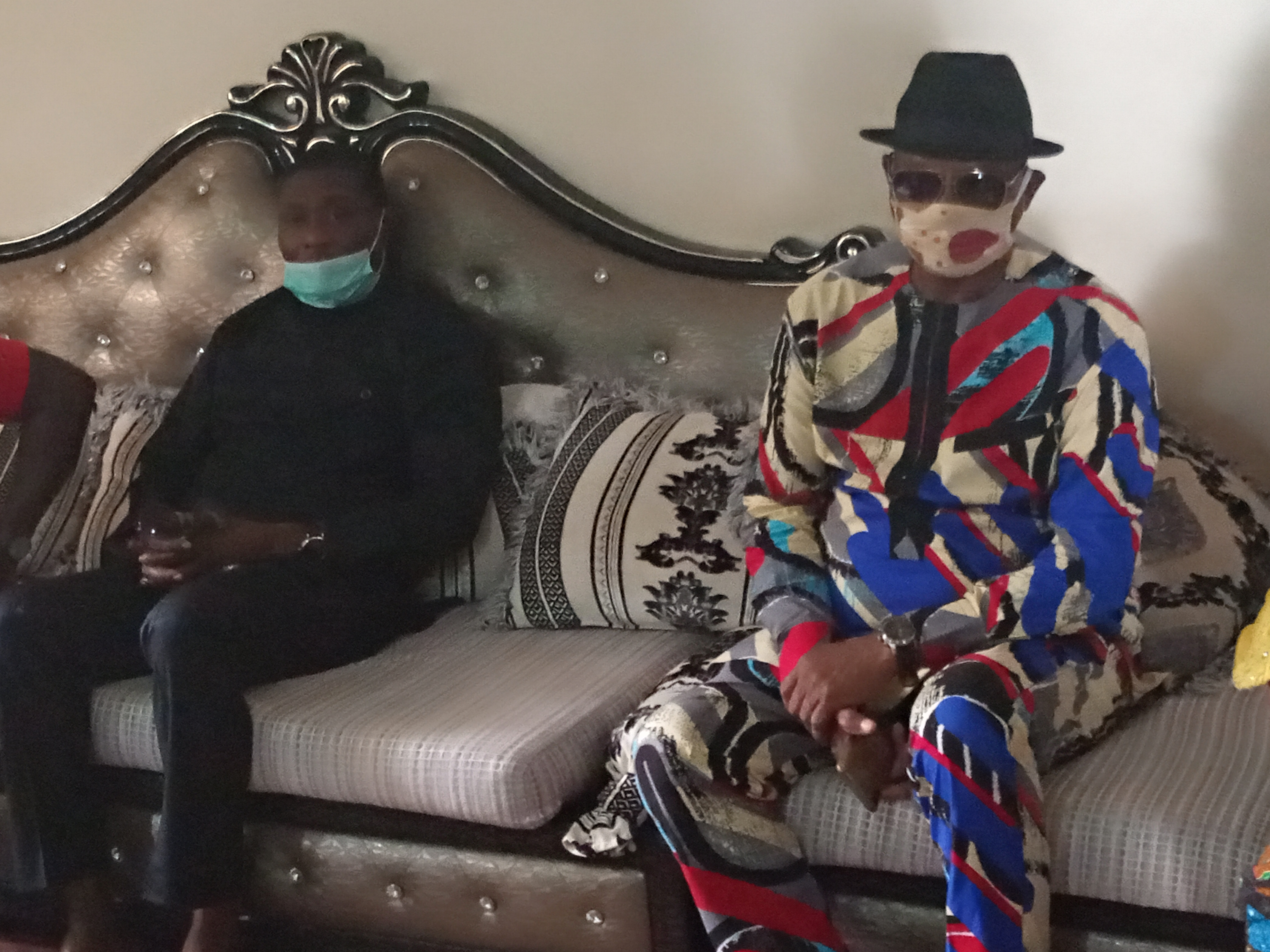
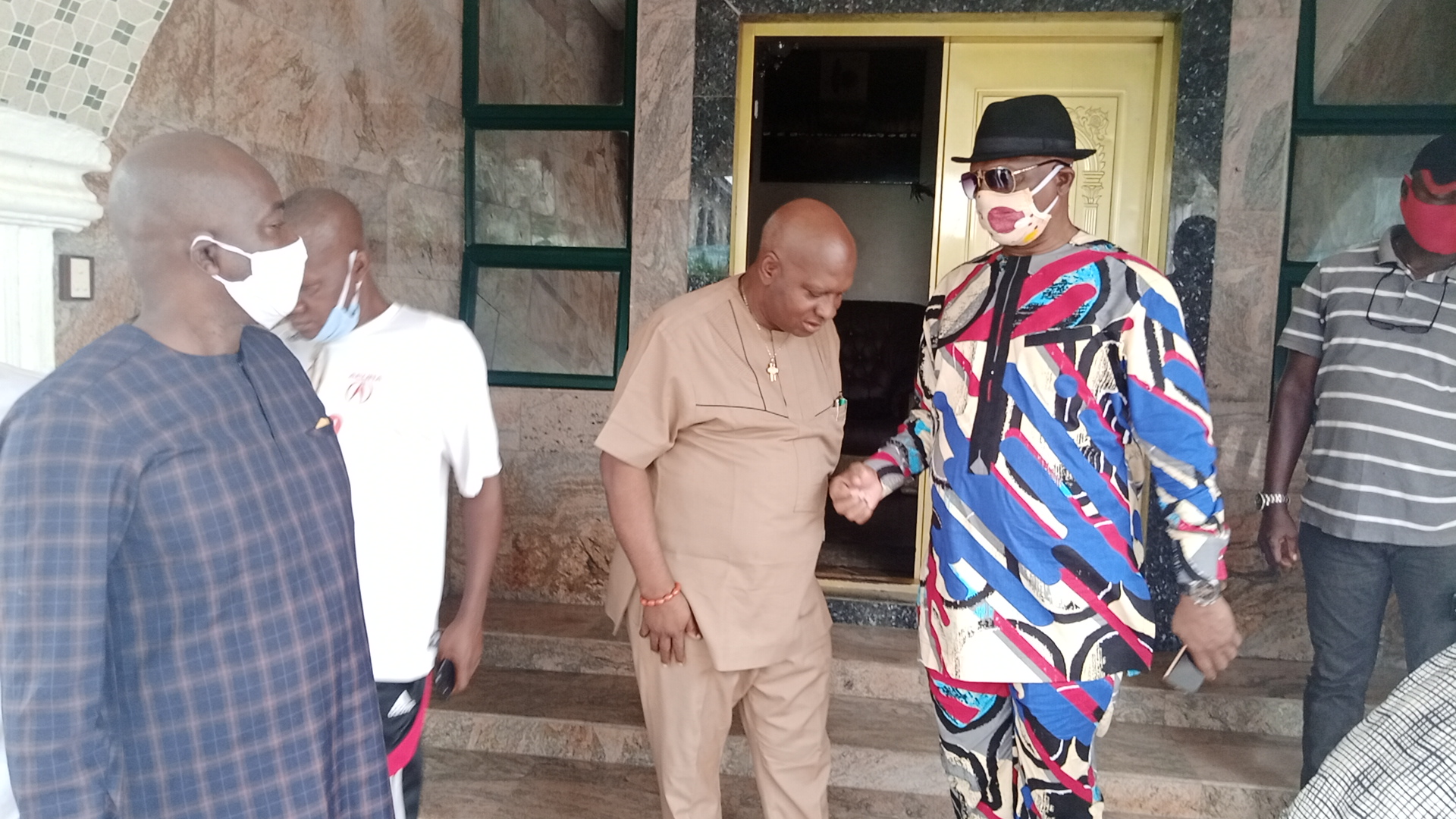
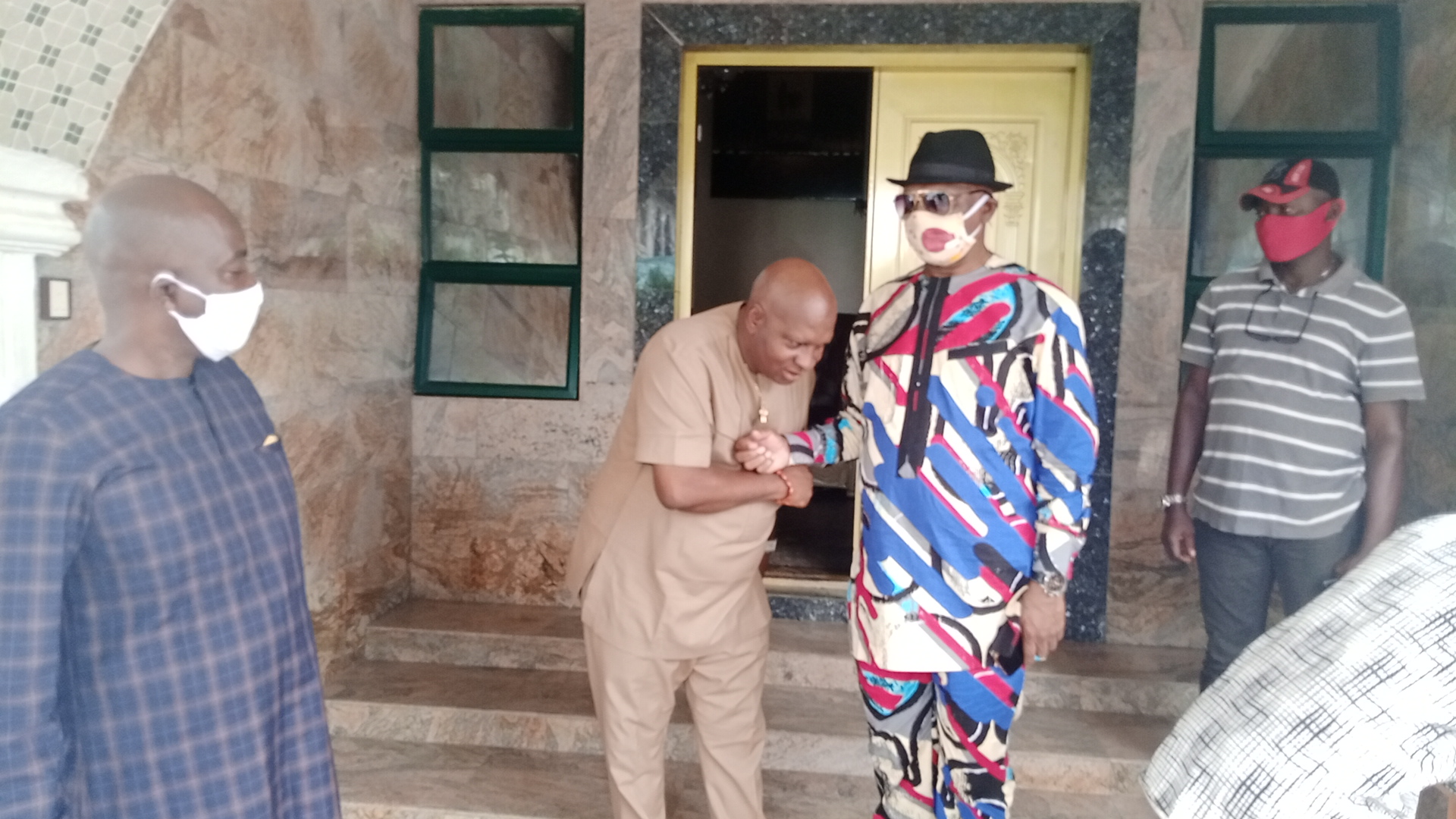
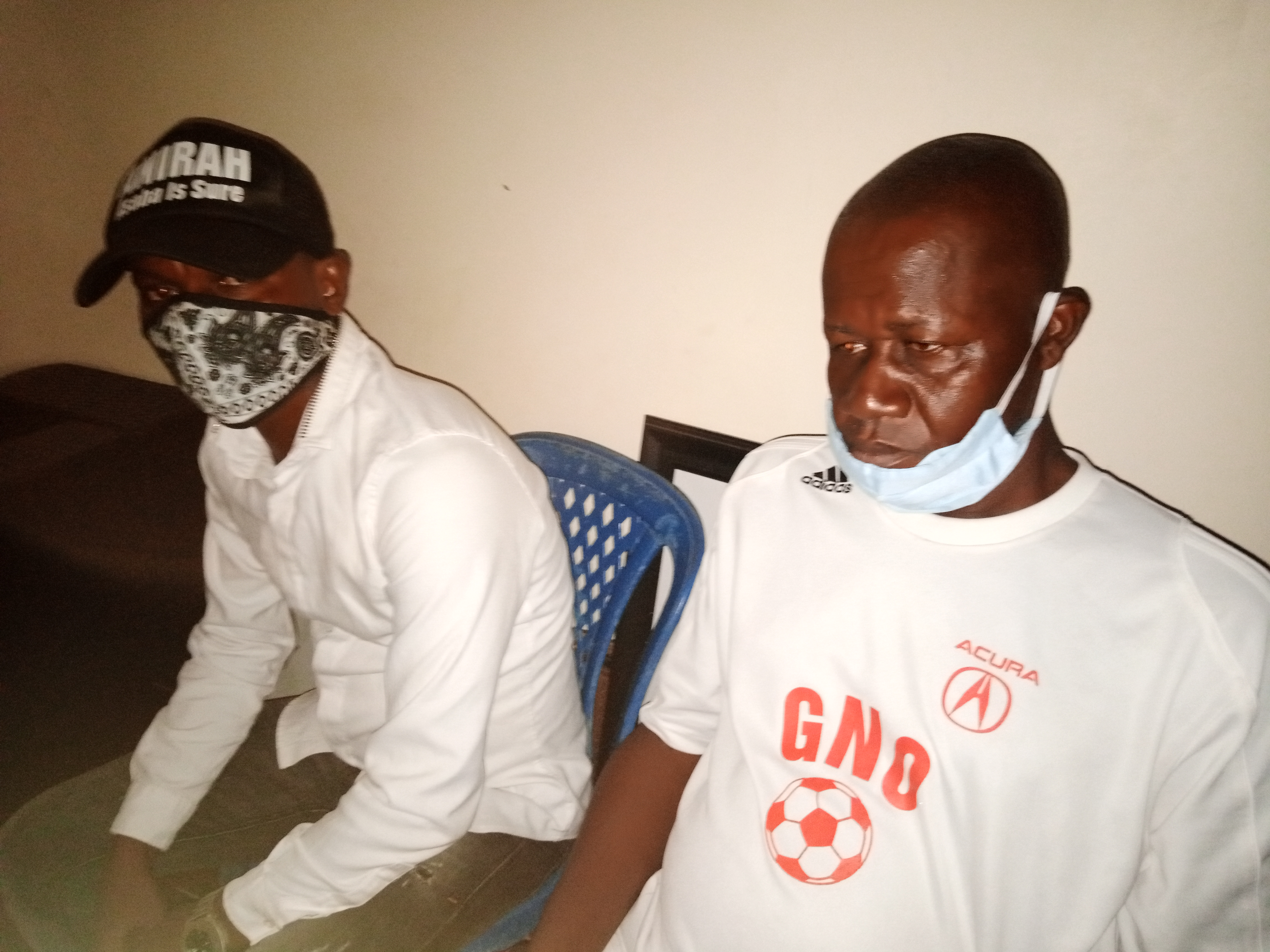
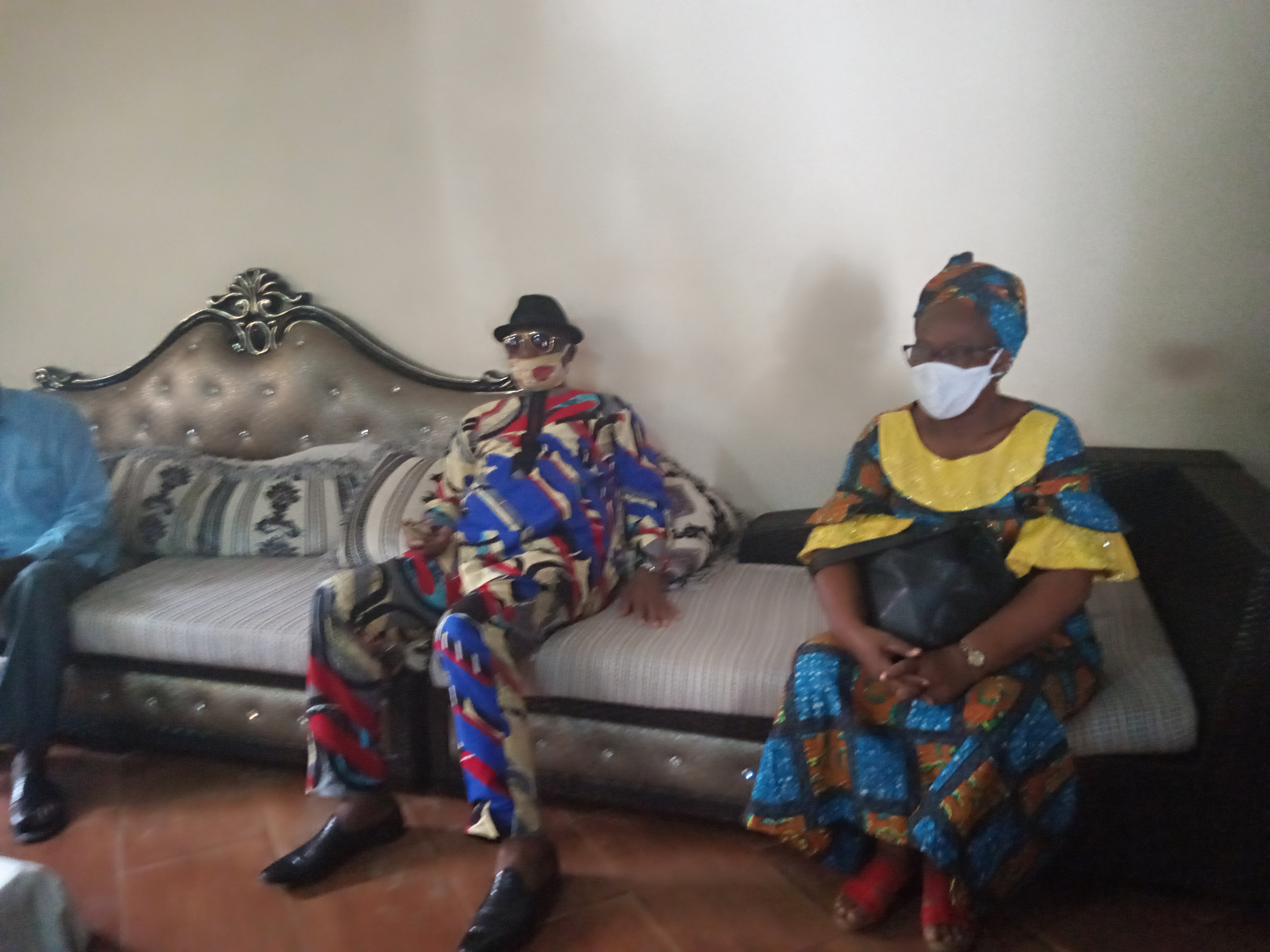
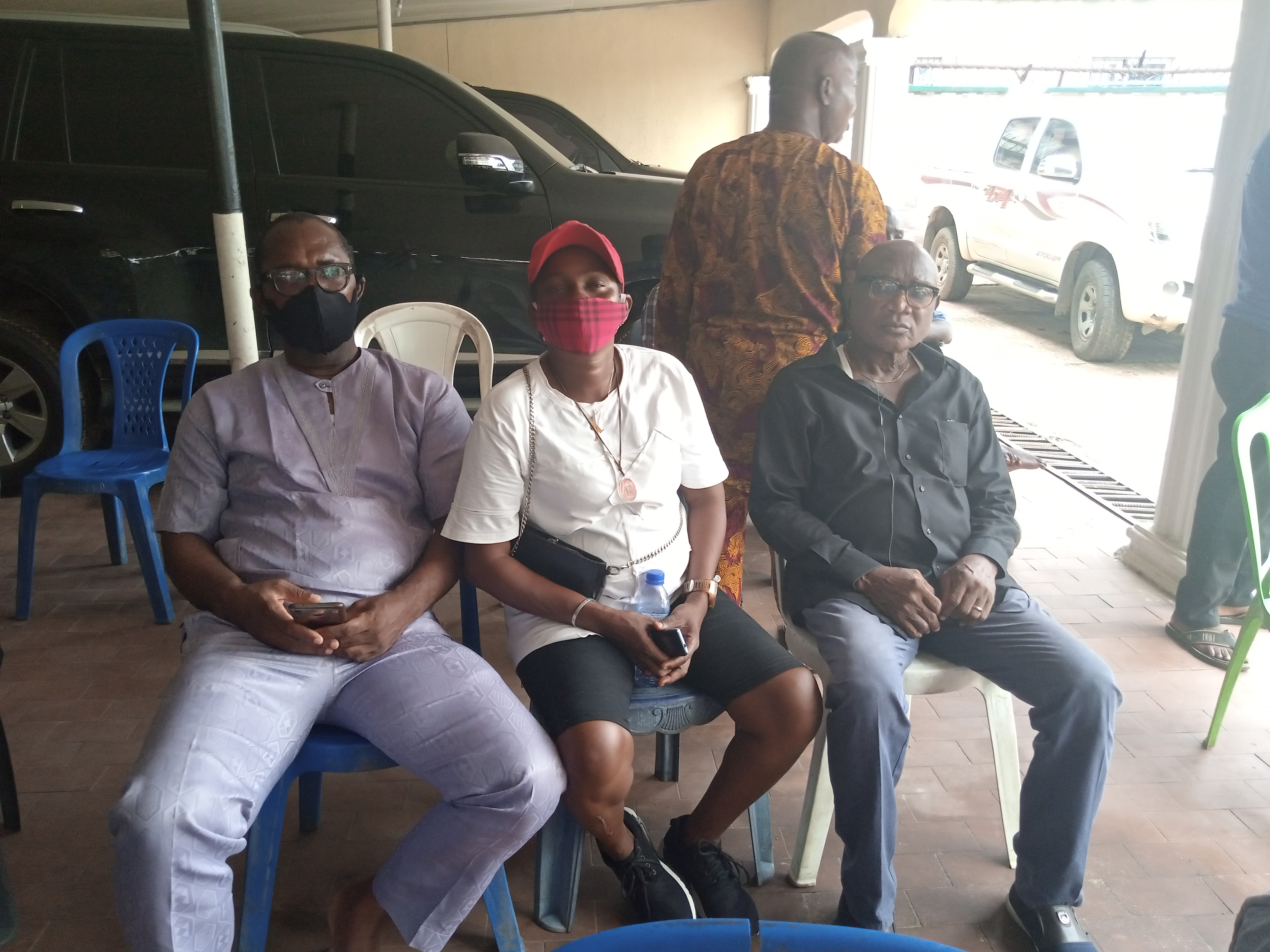
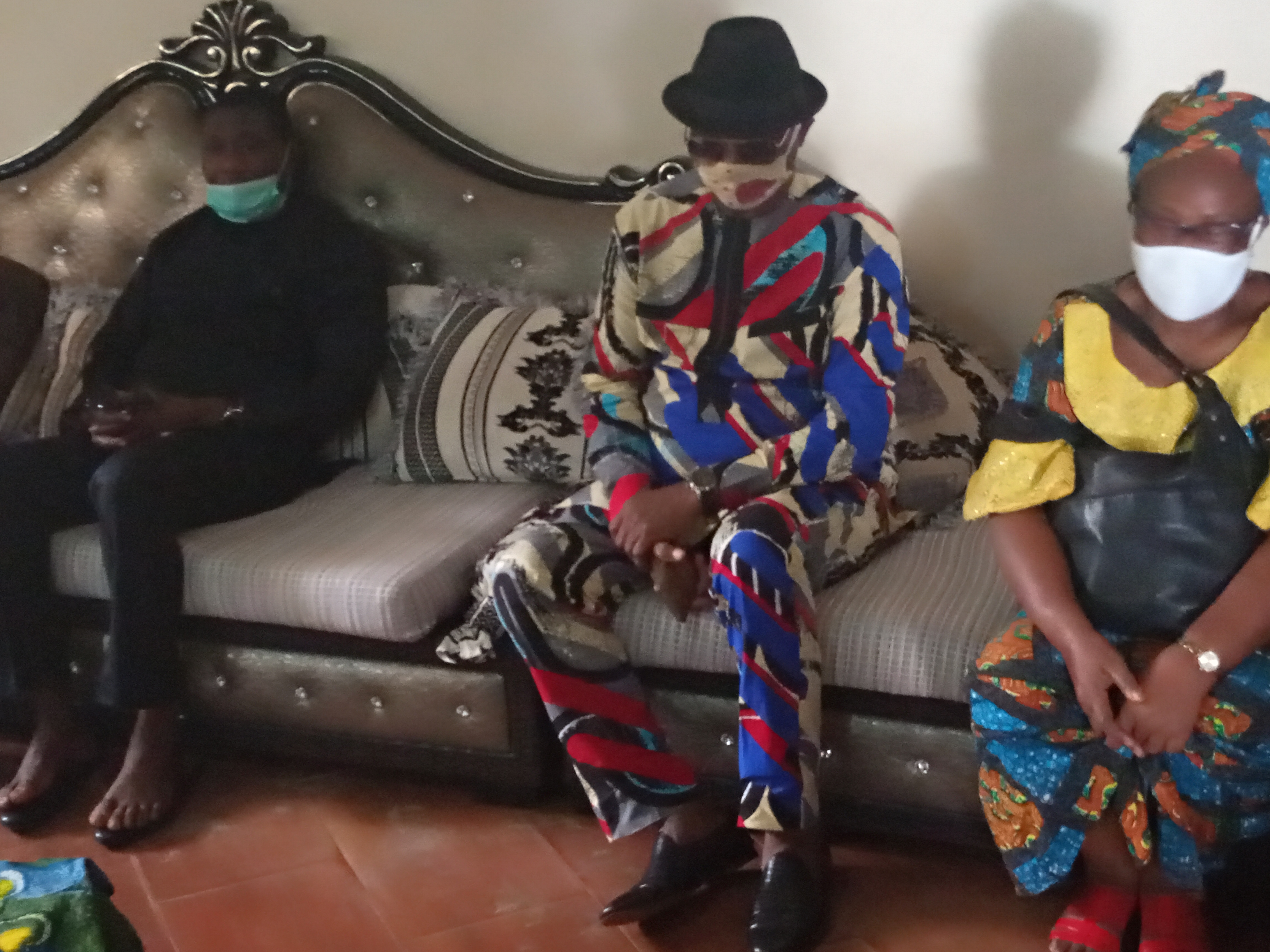
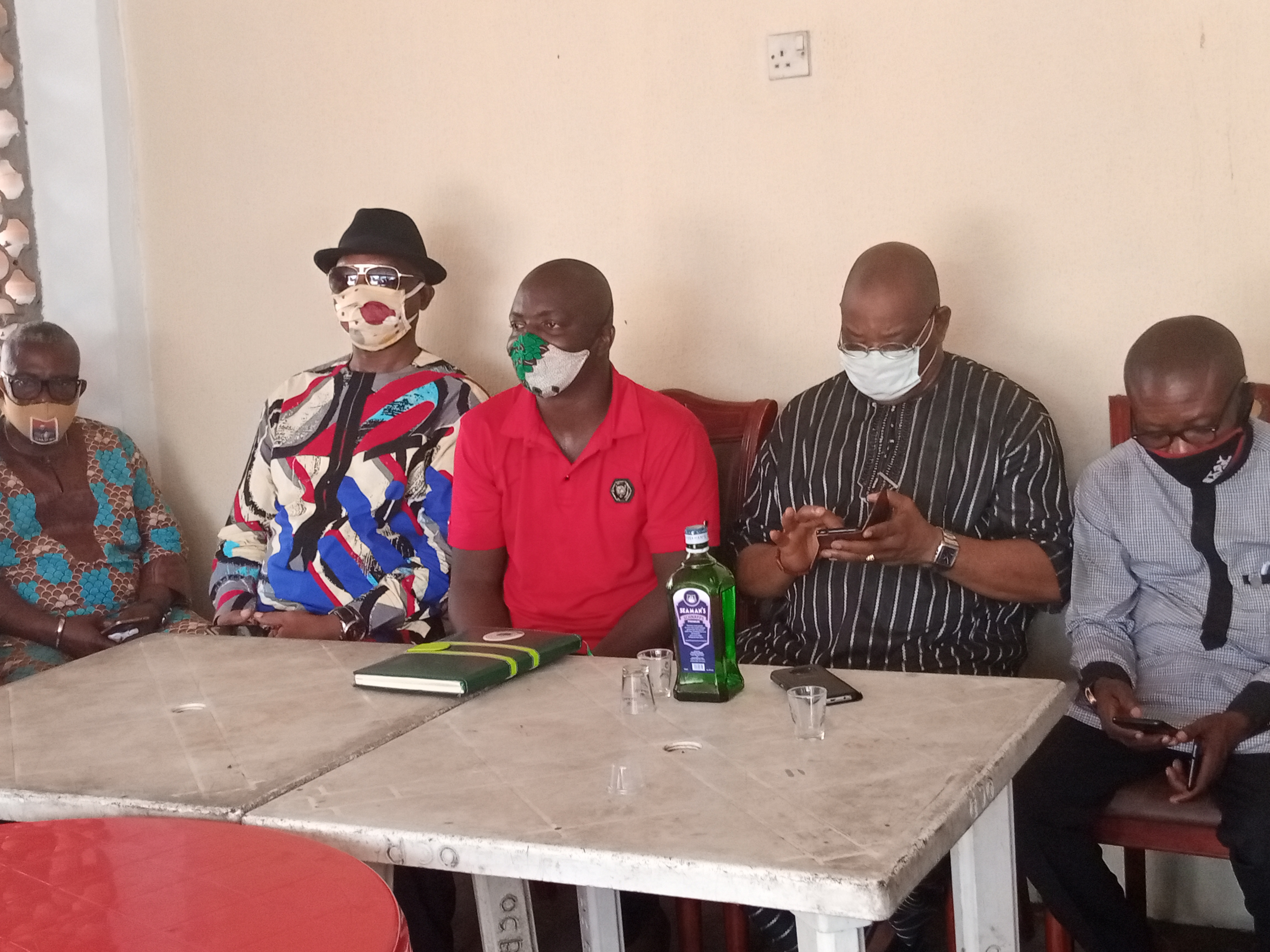
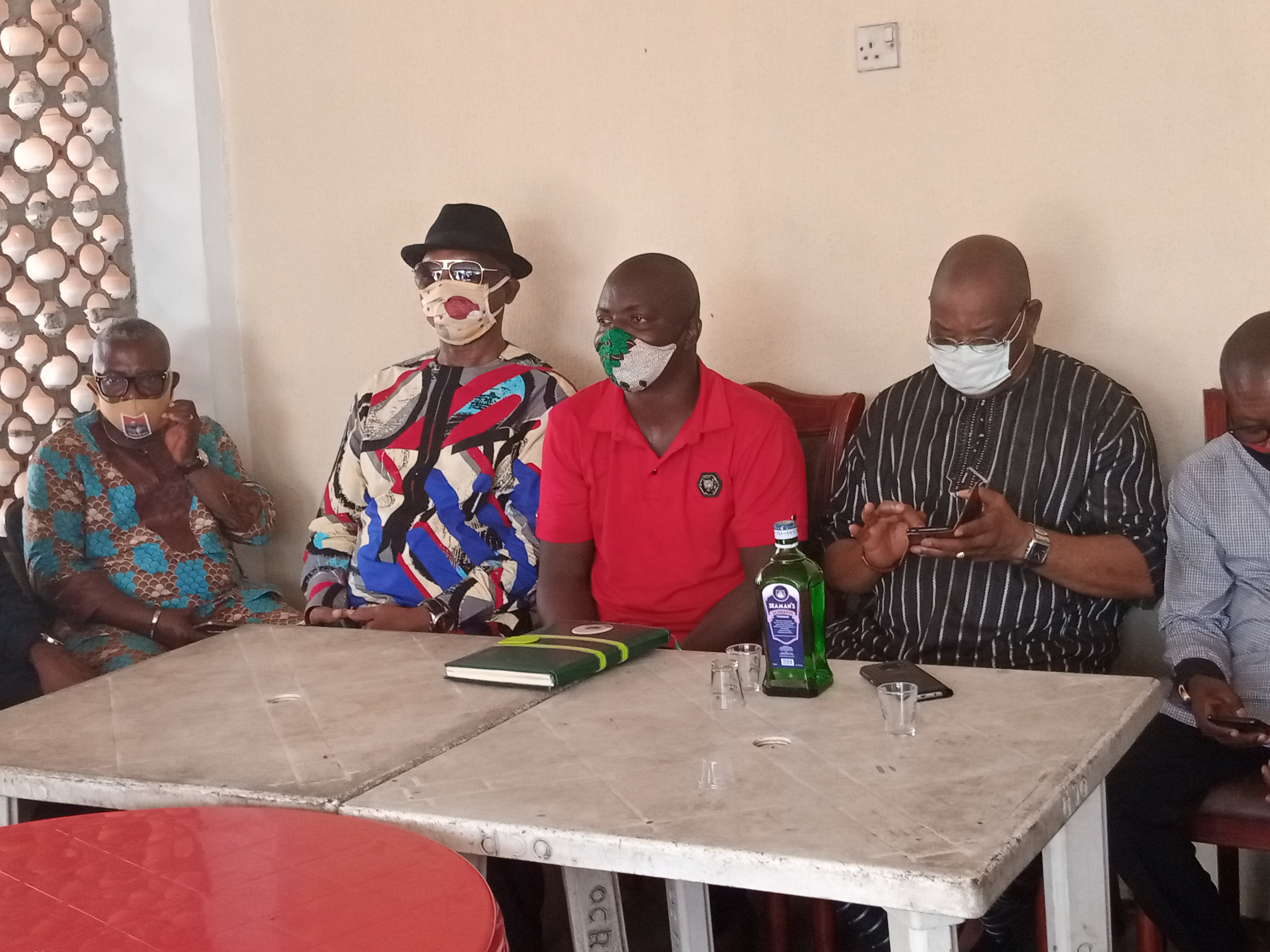
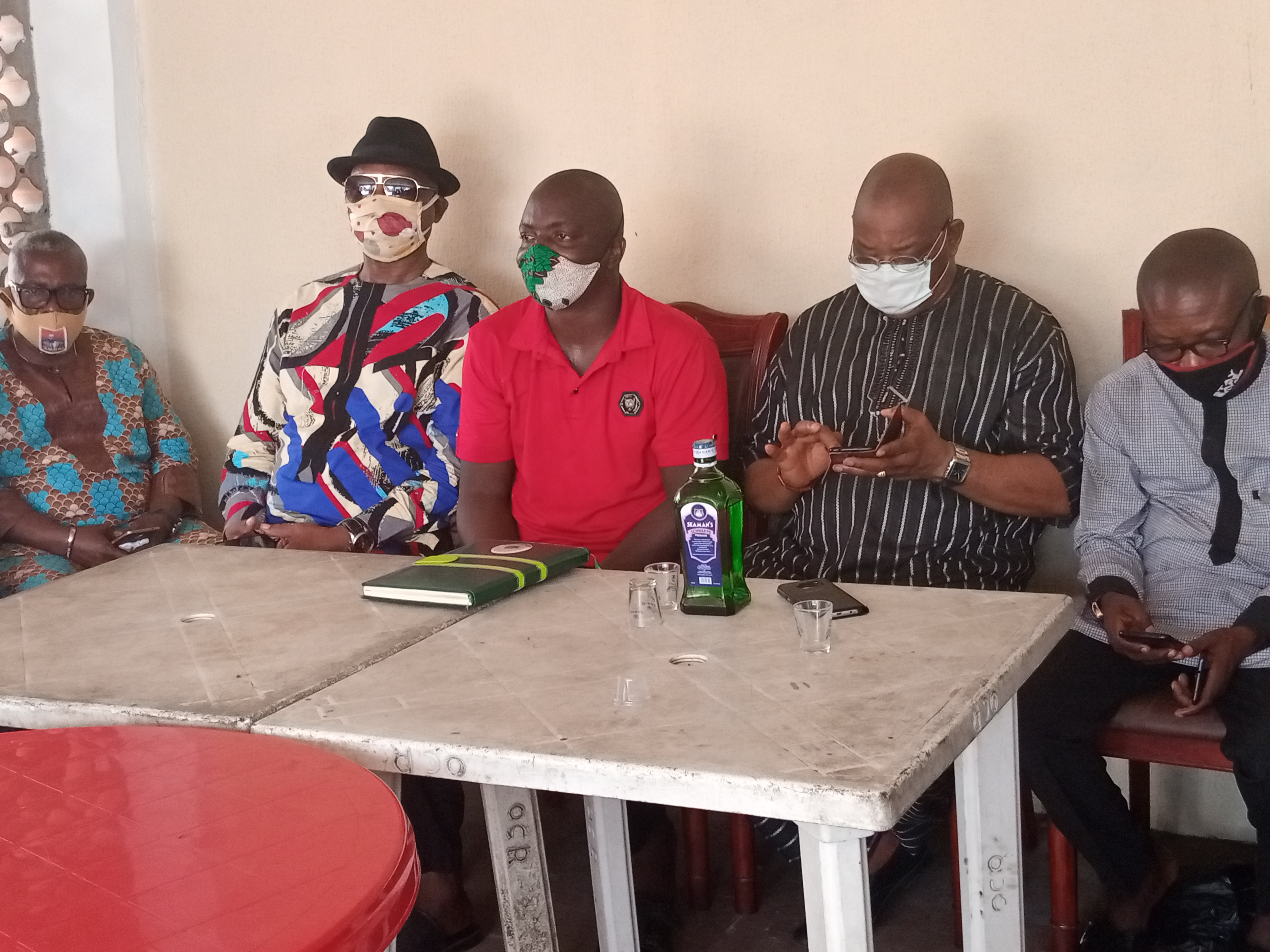
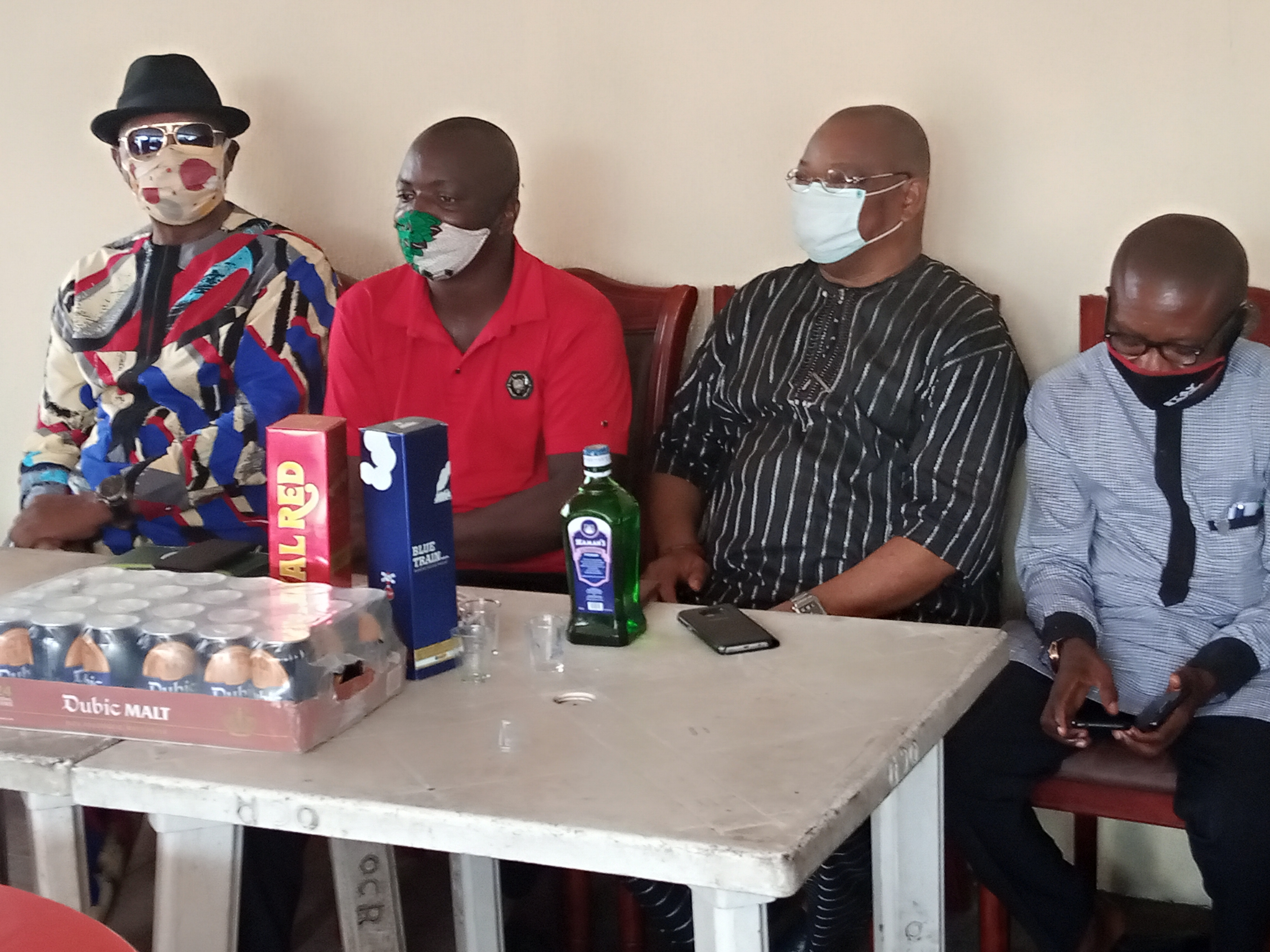
… As AMORI eulogises O.J. OVERAH, says he’s a perfect gentleman
By Tega Ezekiel Ughara
LA Media & Publicity
To Hi-Chief Felix Anirah
Saturday, 13 June, 2020
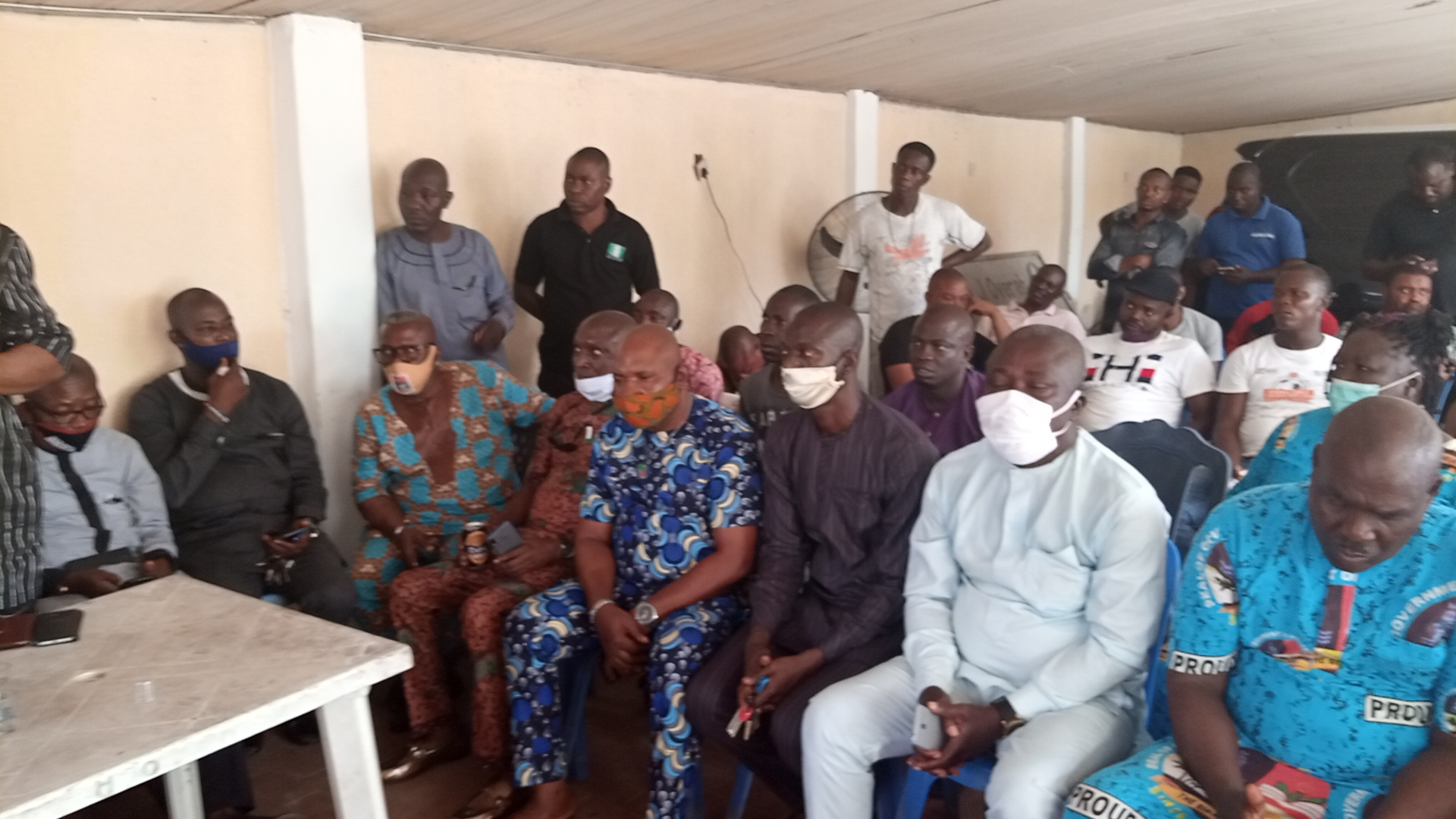
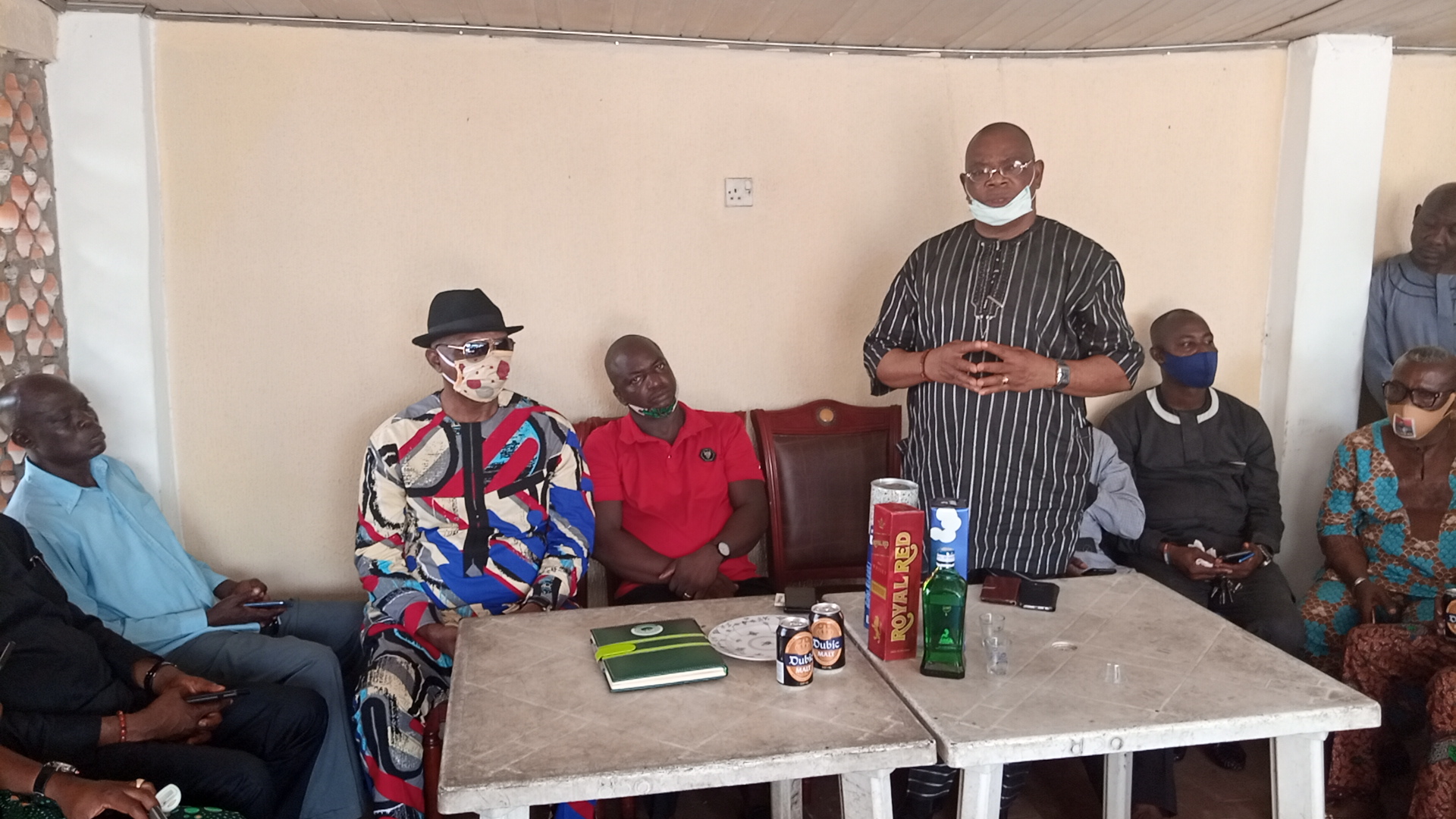
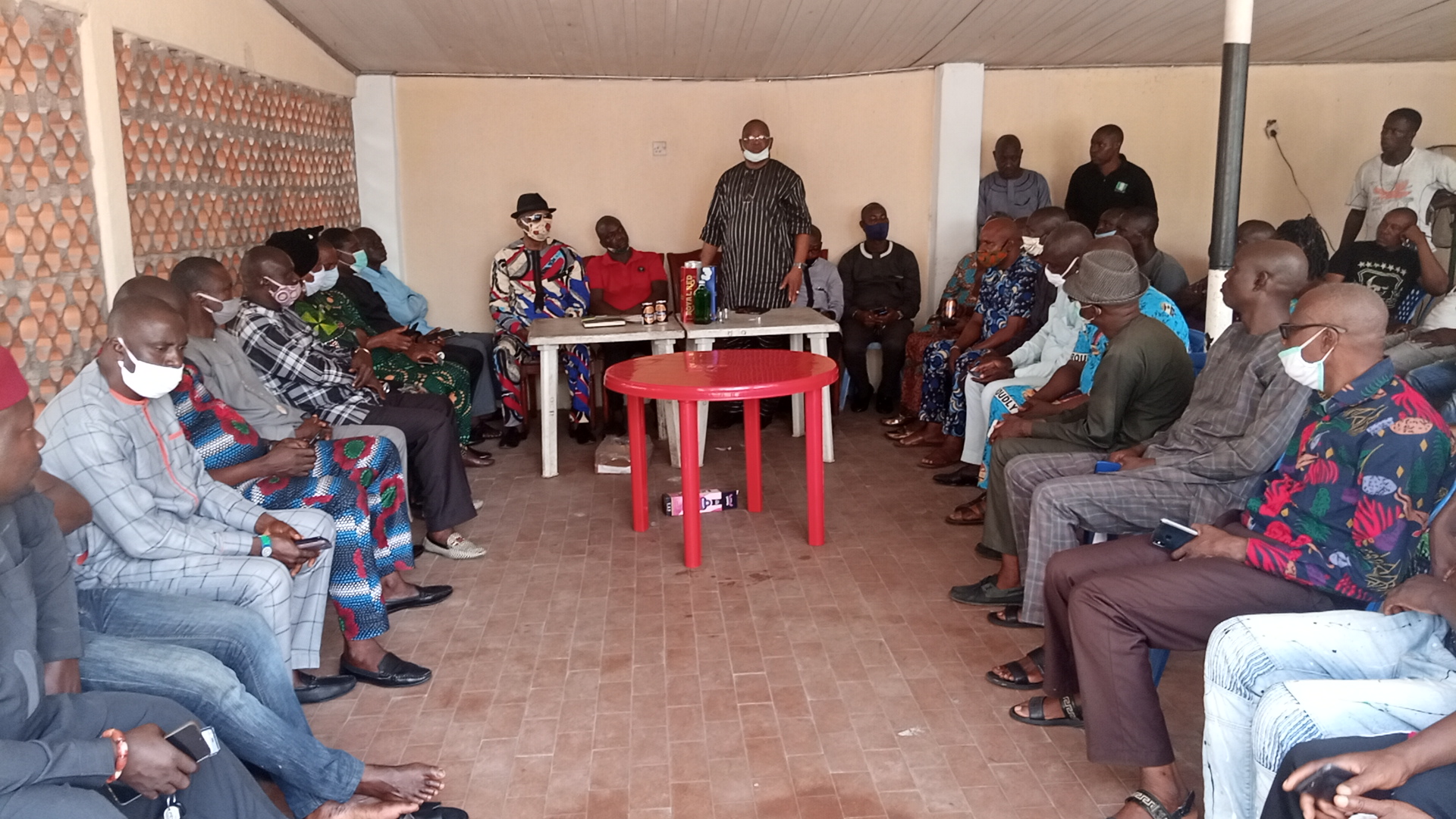
The Honourable Member, representing Sapele State Constituency, Delta State House of Assembly, Okakuro Felix Uruemuesiri ANIRAH, condoled the family of Late Hon. O.J. OVERAH, praying God to give them the fortitude to bear the loss. Fmr. Comm. For Education DTS, Chairman of Amoribility & a Leader of PDP Delta State, Sen. (Chief) Oghoyota AMORI, panegyrised Late Hon. O.J. OVERAH, saying he’s a gentleman.
“When the news of his death was published on the social media some days ago, a lot of people started calling me, sending condolence messages to me over his death. Don’t be surprised my fellow PDP stalwarts, they were right because it’s not just a loss to his family alone but also a great loss to our party (PDP).” AMORI.
“We are here to sympathize with his family, OVERAH knows that we are here now, we’ll miss him, we know that the family will miss him but we’ll definitely miss him more, he was a perfect gentleman” AMORI.
“Remembering his wonderful and gentle soul will forever remain in our hearts. May he rest in peace!” Prayed ANIRAH.
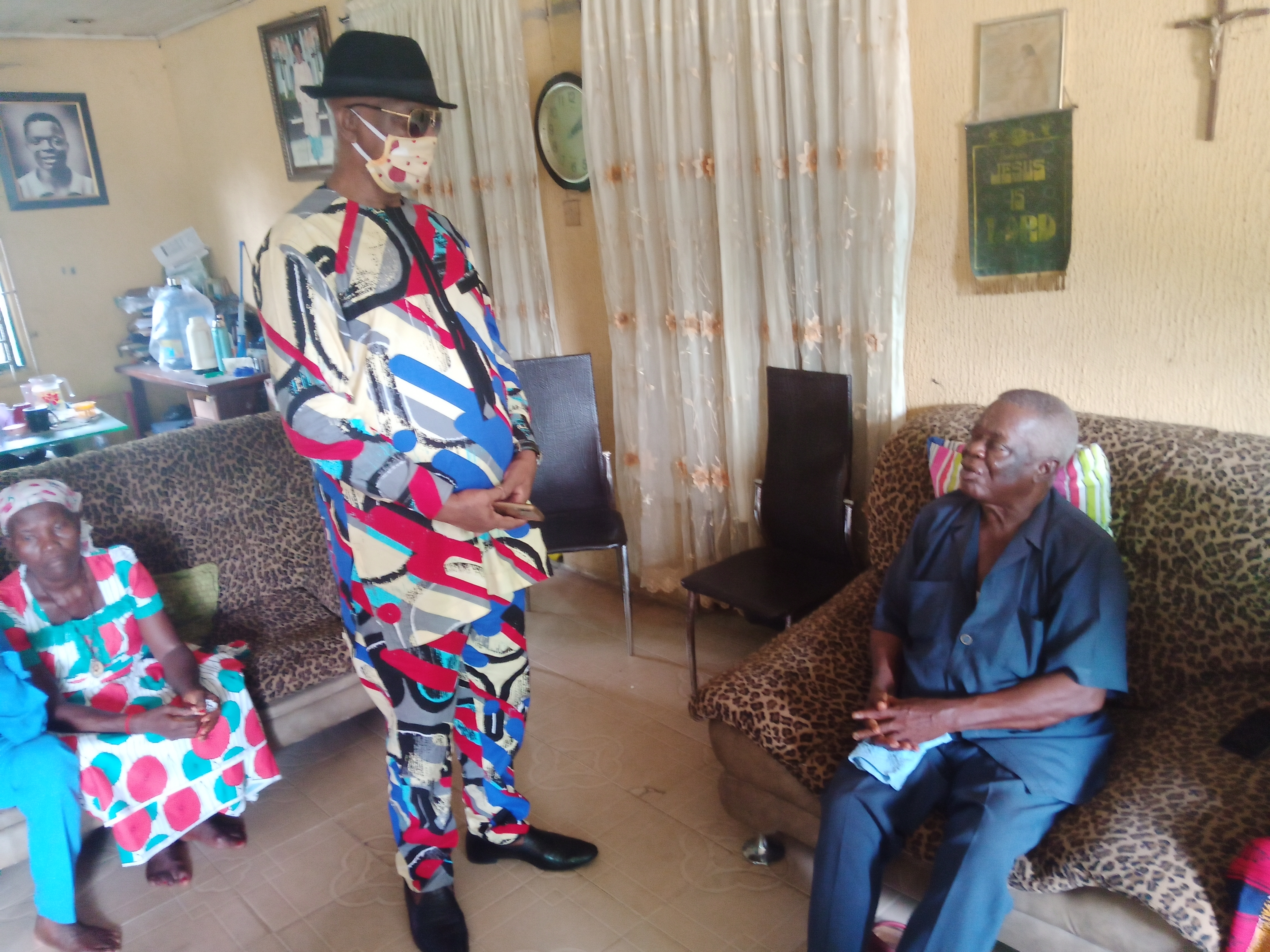
The lawmaker, Hon. (Hi-Chief) Felix Uruemuesiri ANIRAH, also went to empathize with the parents of Hon. O.J. OVERAH, at his residence in AMORC road Sapele.
Comr. Benson EFEOTOR, State Chairman Nigeria Civil Service Union (NCSU) & also the Secretary of Joint Negotiation Council (JNC); Engr. James AUGOYE, Comm. for works; Hon. Christian ONOGBA, Comm. for environment; Hon. Solo OBAREKI, Chairman Ethiope West; Okakuro Hudson ORORHO, Leader PDP Sapele LGA; Okakuro Dickson OMORAKA, Leader PDP Sapele LGA; Hon. Festus PEMU, Leader, PDP Sapele LGA; Hon. Ufuoma JEBRUME, Leader PDP Sapele LGA; Hon. John OMENE, Chairman Amori caucus; Hon. Victor AGHWE; Roland OMOVUDU (DSP rtd), CSO to Hon. Hi-Chief Felix ANIRAH; Alh. Kamaru DAUDU, SA Interreligious Matters to Hon. Hi-Chief Felix ANIRAH; Mr. Otivere OMORAKA, LA to Hon. Hi-Chief Felix ANIRAH and host of others too numerous to mention were present.
Best Wishes for a Queen
Thursday, 11th June 2020
It seems that everyone knows you turned a year older except me. In my eyes, you are exactly the way that you were when I met you for the first time – stunning and gorgeous. Happy birthday.


ANIRAH Felicitates UTUAMA @ 73
… Pray God to grant him good health and many more years ahead
“I am delighted to mark this special day with the Fmr. Deputy Governor of Delta State, Prof. Amos Agbe UTUAMA (SAN).
You are an inspiration to us and future generations. Our democracy is now better because of your shrewdness as a political leader. I join other Deltans to rejoice with you as you celebrate your birthday.!”
Signed:
Hon. (Hi-Chief) Felix Uruemuesiri ANIRAH.
Friday, 5th June, 2020
Hon. ANIRAH’S Id el Fitr message to Safirians
~ Tega Ezekiel Ughara
LA Media & Publicity
To Hi-Chief Felix Anirah
Saturday, 23th May, 2020
SAPELE, Delta, Felix Anirah Political Platform (FAPP Media) — Hon. (Hi-Chief) Felix Uruemuesiri ANIRAH and his family are saying thank you to essential workers and to Safirians who are doing their part by staying at home this Id el Fitr.
Hon. (Hi-Chief) ANIRAH, in company of his wife Hon. (Chief) Mrs. Eunice Okiemute ANIRAH, Fmr. Leader of the Legislative Arm, Sapele Local Govt. Area, spoke in a writeup posted on the honourable’s Social Media pages Saturday.
“We are thinking of you all and we’re so grateful for every one respecting the stay at home orders and social distancing by our Governor, Sen. (Dr.) Ifeanyi Arthur OKOWA,” Mrs. ANIRAH said.
“And we appreciate all our first responders, health care workers, our grocery workers, everybody that’s keeping essential businesses going and keeping people healthy and safe,” Hi-Chief ANIRAH continued.
Muslims in Sapele are celebrating Id el Fitr differently this year as the coronavirus pandemic continues to threaten Nigeria.
Residents of the state constituency are being told to keep social distancing and avoid parks, beaches and swimming pools this Id el Fitr weekend, a time when Muslim families usually pack them.
As of Friday, there are 7,016 confirmed cases of COVID-19 in Nigeria and 211 people have died, there are 31 confirmed cases in Delta State and 6 people have died. Currently there are 3 confirmed cases in Sapele Local Govt. Area.
Delta health officials said Friday that a month of heeding stay-at-home orders may have reduced the peak size of the outbreak. But the Honourable Member, representing Sapele State Constituency says it’s crucial to keep practicing safe distancing.
He appreciated Safirians for their compliance so far and pray Almighty Allah to protect the Muslims and their neighbors, as they celebrate Id el Fitr (festival of breaking the fast) that marks the end of the month-long dawn-to-sunset fasting of Ramadan.
SUMMARIZED HISTORY OF PRECOLONIAL AFRICAN KINGDOMS/EMPIRES
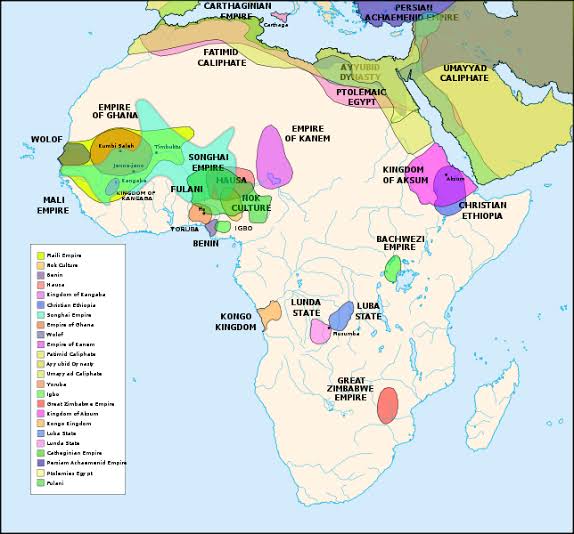
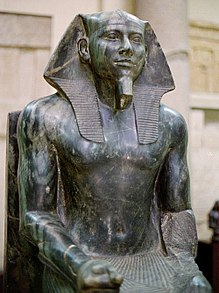
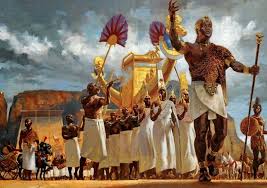
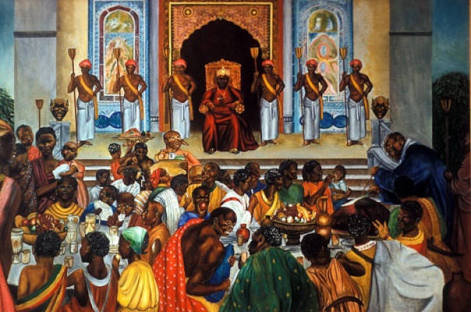
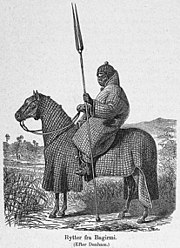
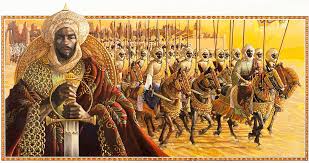
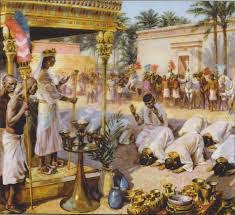
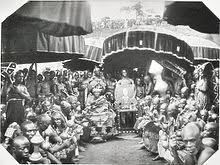
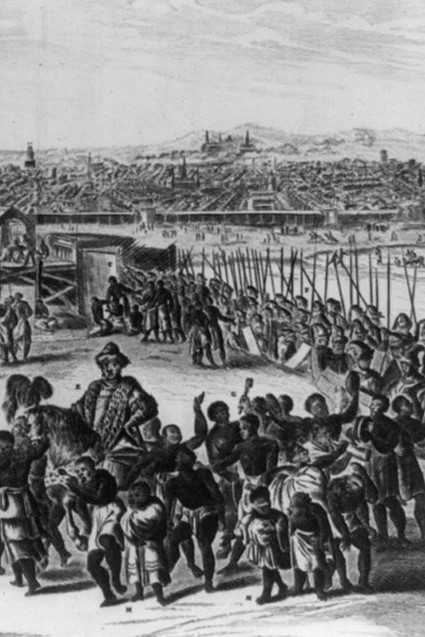
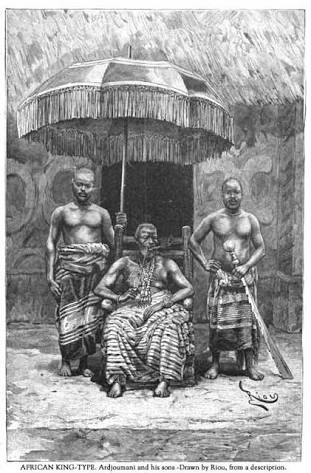
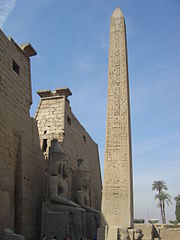
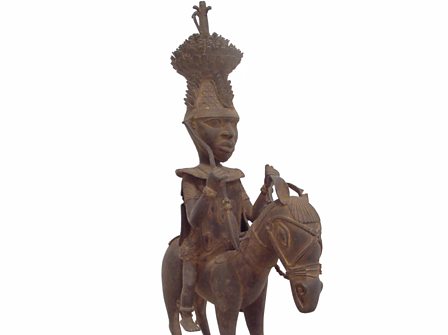
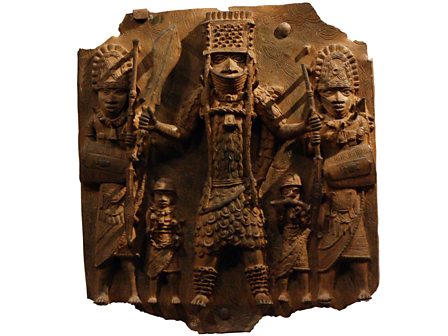
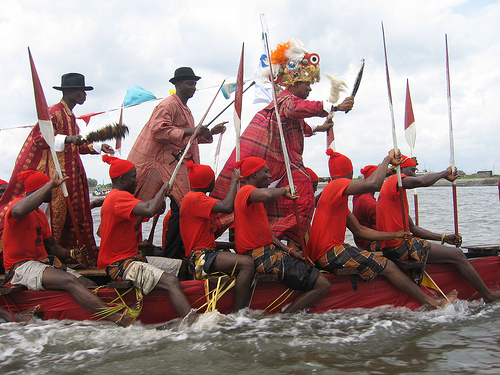
••• Africa was civilized and well organized before the arrival of European conquest
Friday, 22nd May, 2020
By Tega Ezekiel Ughara
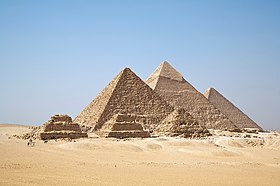
Kingdom of Upper Egypt, with capital in Thinis, was established in date Unknown – 3150 BC. The Kings were called Pharaohs, common language, ancient Egyptian.
Kingdom of Lower Egypt, with capital in Memphis, was established in date Unknown – 3150 BC. The Kings were called Pharaohs, common language, ancient Egyptian.
The unification of Upper and Lower Egypt, was established in 3150 BC – 2686 BC. The Kings were called Pharaohs, common language, ancient Egyptian. It is generally taken to include the First and Second Dynasties, lasting from the end of the Naqada III archaeological period until about 2686 BC, or the beginning of the Old Kingdom. With the First Dynasty, the capital moved from Thinis to Memphis with a unified Egypt ruled by an Egyptian god-king. Abydos remained the major holy land in the south. The hallmarks of ancient Egyptian civilization, such as art, architecture and many aspects of religion, took shape during the Early Dynastic period.
Old Kingdom of Egypt, with capital in Memphis was established in 2600 BC – 2100 BC. The Kings were called Pharaohs, common language, ancient Egyptian.
The first kingdom known to have existed in Ethiopia was the kingdom of D’mt, with its capital at Yeha, where a Sabaean style temple was built around 700 BC. It rose to power around the 10th century BC. The D’mt kingdom was influenced by the Sabaeans in Yemen, however it is not known to what extent. The King was called Negus, common language, Amharic, Agaw, Ge’ez.
Kush Kingdom, south of Egypt. For the period of Kushite rule in Egypt, see Twenty-fifth Dynasty of Egypt. was an ancient kingdom in Nubia, located at the Sudanese and southern Egyptian Nile Valley, with capital in Napata, Meroe. The Kingdom was established in 785 BC – 350 AD. Common language, Meroitic language, Nubian languages, Egyptian, Cushitic. The Kings were called Pharaohs of the Twenty-fifth Dynasty of Egypt, until they were defeated by the Neo-Assyrian Empire under the rule of Ashurbanipal a century later and finally expelled from Egypt by Psamtik I.
The Kingdom of Aksum, also known as the Kingdom of Axum or the Aksumite Empire, was an ancient kingdom centered in what is now Eritrea and the Tigray Region of northern Ethiopia. Axumite Emperors were powerful sovereigns, styling themselves King of kings, king of Aksum, Himyar, Raydan, Saba, Salhen, Tsiyamo, Beja and of Kush. Ruled by the Aksumites, it existed from approximately 80 BC to AD 825. The polity was centered in the city of Axum and grew from the proto-Aksumite Iron Age period around the 4th century BC to achieve prominence by the 1st century AD. Aksum became a major player on the commercial route between the Roman Empire and Ancient India. The Aksumite rulers facilitated trade by minting their own Aksumite currency, with the state establishing its hegemony over the declining Kingdom of Kush. It also regularly entered the politics of the kingdoms on the Arabian Peninsula and eventually extended its rule over the region with the conquest of the Himyarite Kingdom. The Manichaei prophet Mani (died 274 AD) regarded Axum as one of the four great powers of his time, the others being Persia, Rome, and China, with capital in Aksum (Axum), common language, Ge’ez. The King was called Negus.
The Benin (Edo), Oyo (Yoruba), Ife (Yoruba), Okpe (Urhobo), Itsekiri, Agbor (Ika), Ijaw, Nri (Igbo), Dahomey (Benin Republic), Ashanti, Mali, Kanem Bornu, etc are all cousins. They migrated from the Nile Valley (Egypt) to west Africa.
The Ghana Empire, one of the oldest in Sub Saharan Africa with capital in Koumbi Saleh, was spread across parts of what is now Mauritania, Senegal, and Mali in 500 AD – 1240 AD. More commonly known as Wagadu, this kingdom was an important stop along the trans-Saharan trade route which connected African societies in the Sahel to the markets found along the coastlines of the Mediterranean Sea and the trans-Saharan gold trade. Although its capital city was said to have changed several times, one of these, Koumbi Saleh, was the biggest city south of the Sahara Desert. At its peak, it was home to between 15,000 and 20,000 people – a phenomenal population for a city which had a limited water supply. They specialized in the trade of gold and kola nuts (the latter of which became the secret ingredient in Coca-Cola centuries later). The Kingdom of Ghana’s decline was cemented when it became part of the kingdom of Mali around the year 1240 AD, common language, Soninke, Malinke, Mande.
The Kanem Bornu Empire, one of the oldest in Africa was established in 700 AD – 1380 AD, was located in the present countries of Chad, Nigeria and Libya, with capital in Njimi, king is Mai, common language is Kanuri, Teda.
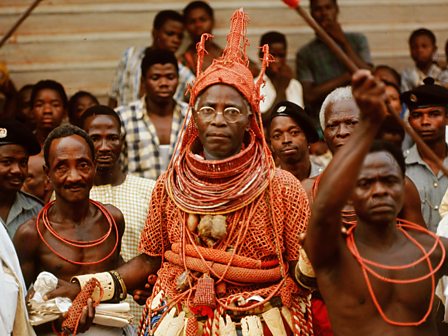
Benin (Bini) Empire, in 900 AD – 1200 AD, with capital in Edo (Now Benin City) and the Kings were called Ogisos, which means ‘Ruler of the Sky’. The era of Benin empire the Kings were called Oba, that was 1180 – 1897 AD and the King is being called Oba till date, common language is Edo. The Empire was considered one of the oldest and most developed states in Sub Saharan Africa until its annexation by the British Empire. Famous artisans crafted masterpieces from ivory, bronze and iron. The Benin Empire had a strong trading relationship with the Portuguese, exchanging palm oil, pepper, and ivory for Manilla (a form of currency used in West Africa) and firearms. The relationship even saw an ambassador visit Lisbon in the 16th century. Britain’s first expedition to Benin occurred in 1553 AD and a mutually beneficial trading relationship existed throughout the 16th and 17th centuries until Benin suspected Britain of making controlling advancements. Dutch, British and Portuguese explorers brought numerous tales back to Europe of the beauty, wealth and sophistication of Benin.
The Kingdom of Nri, with capital in Igbo-Ukwu, started 1043 – 1089 and 1988 to present, the King is Eze, common language is Igbo.
The Oyo Empire, with capital in Oyo-Ile, was established 1200 – 1535 AD. The King is Alaafin, common language is Yoruba.
The Ife Kingdom is classified into two period. *Classical (Pavement) 12th – 15th centuries AD. *Post Classic (Post Pavement) 15th – 17th centuries AD, with capital in Ile-Ife, the King is Ooni, common language is Yoruba.
The Agbor Kingdom, with capital in Agbor, was established in 1270 – 1307 AD. The King is Dein, common language is Ika.
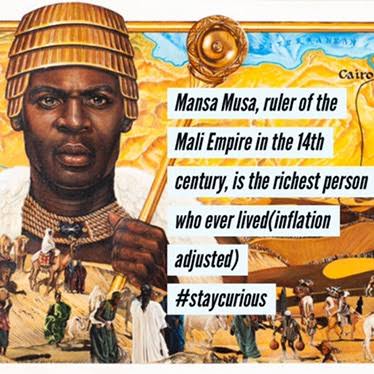
Mali Empire, with capital in Niani later Kangaba, was established in 1230 – 1670 AD. The Emperor is Mansa, common language is Malinke, Mandinka, Fulani, Bozo.
According to Bini and Itsekiri histories Ginuwa, a prince of Benin founded the Iwere (Warri) Kingdom about 1480 – 1500, with capital in Warri, the King Olu, common language Itsekiri.
Kingdom of Dahomey, with capital in Abomey, was established in 1600 – 1904 AD. The king is Ahosu, common language, Fon.
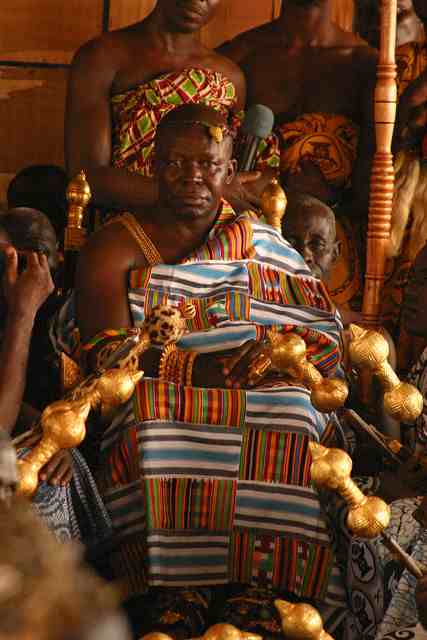
Ashanti Empire, the Kingdom of Ashanti, with capital in Kumasi, was established in 1670 – 1957 AD. The King is Asantehene, common language, Ashanti (Twi) (Official).
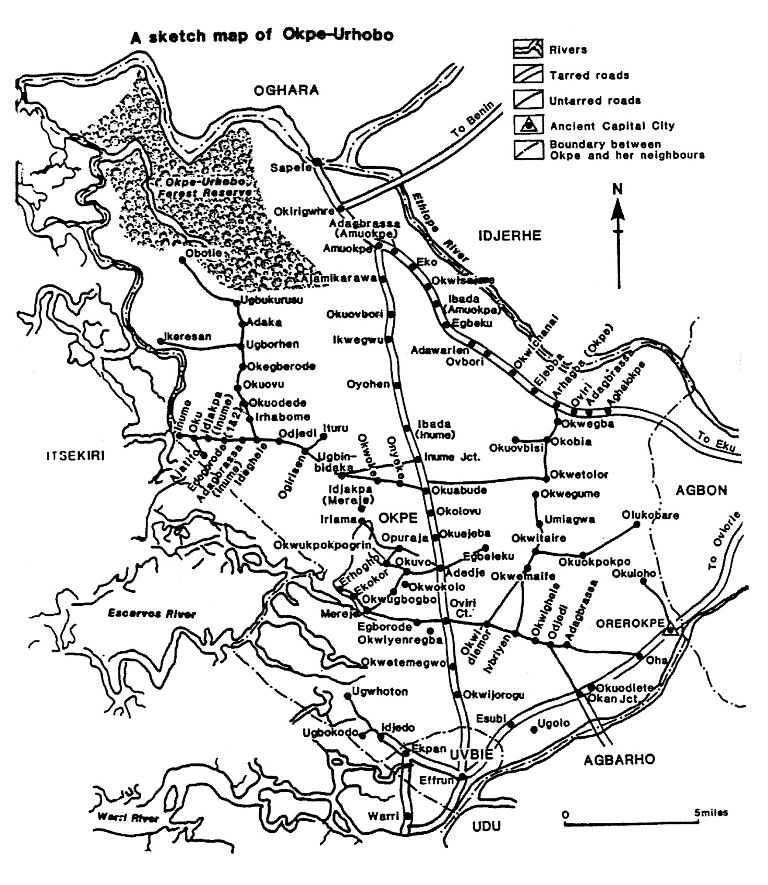
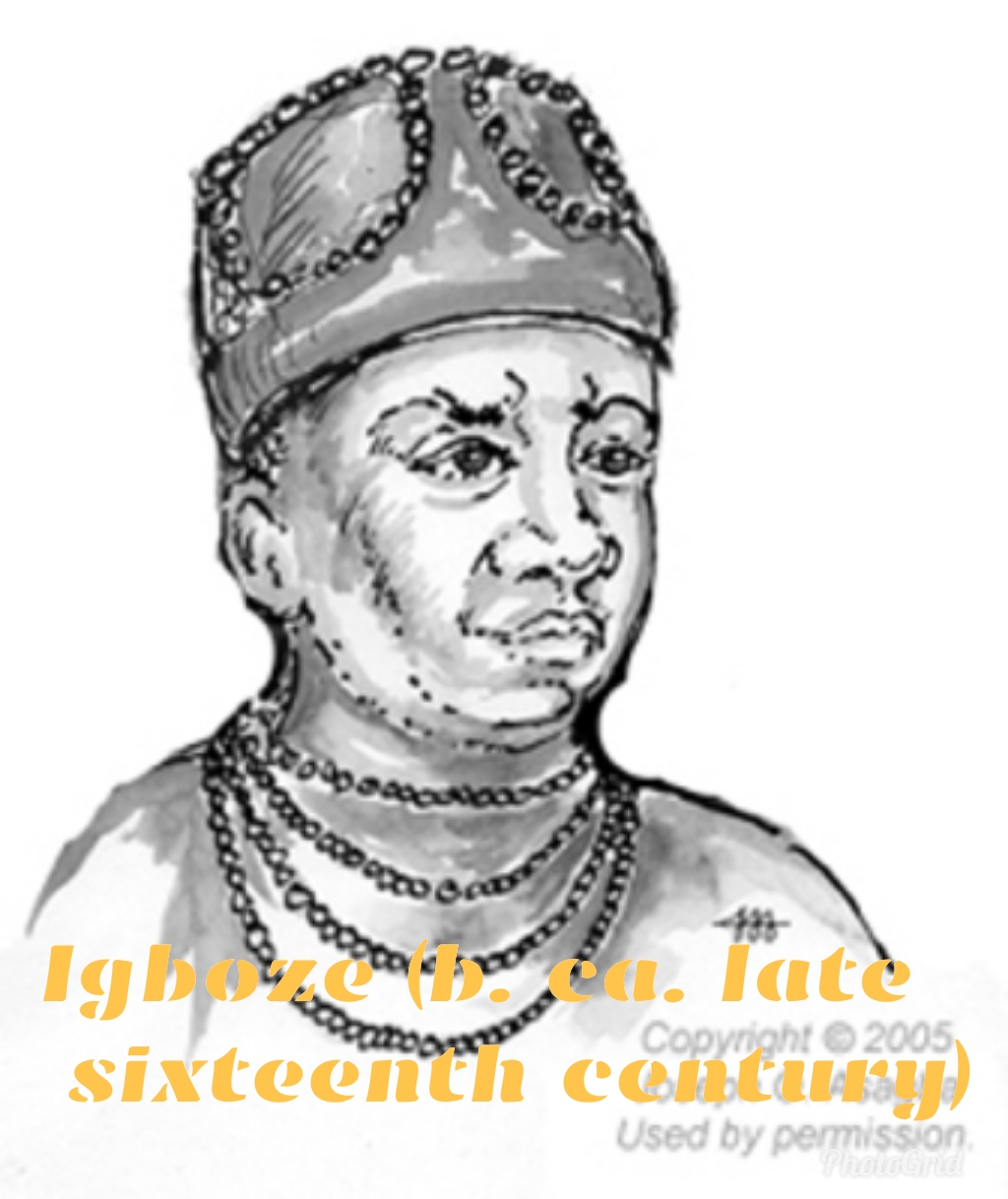
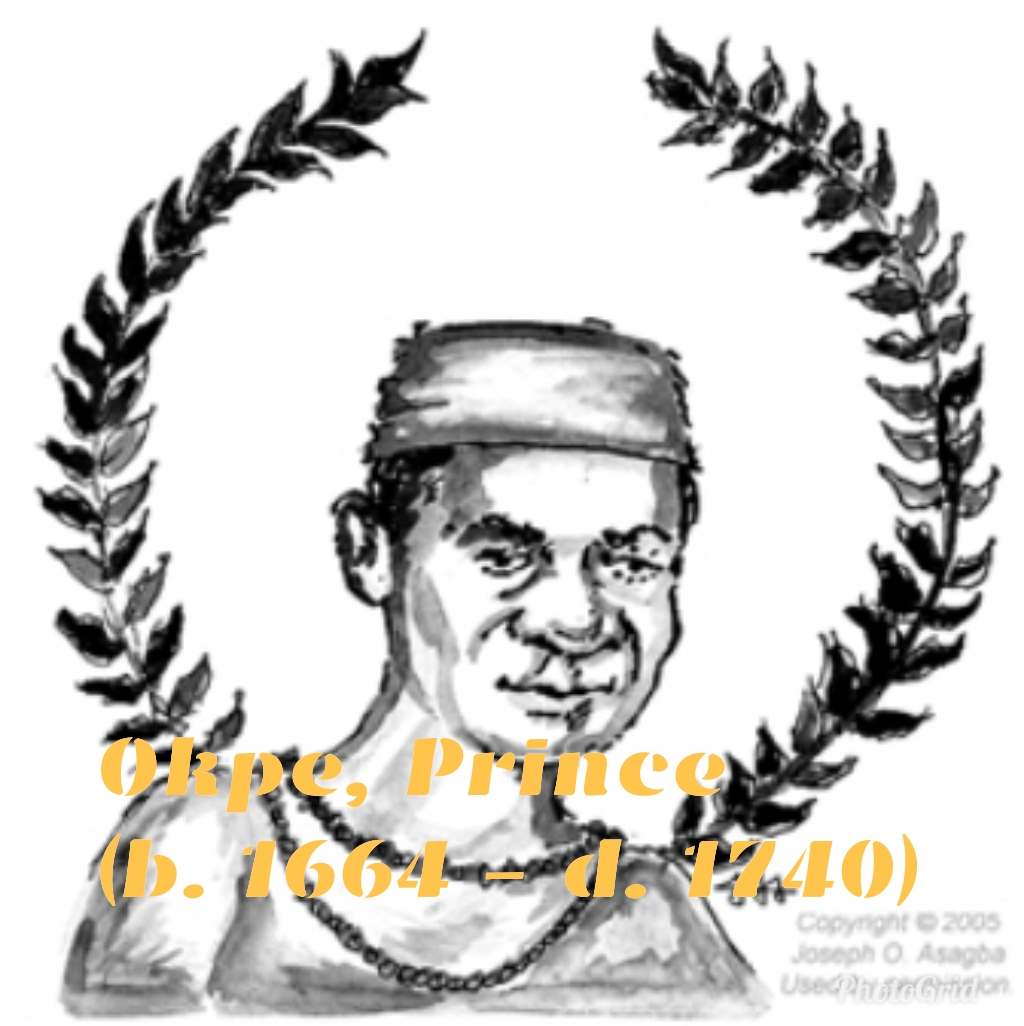
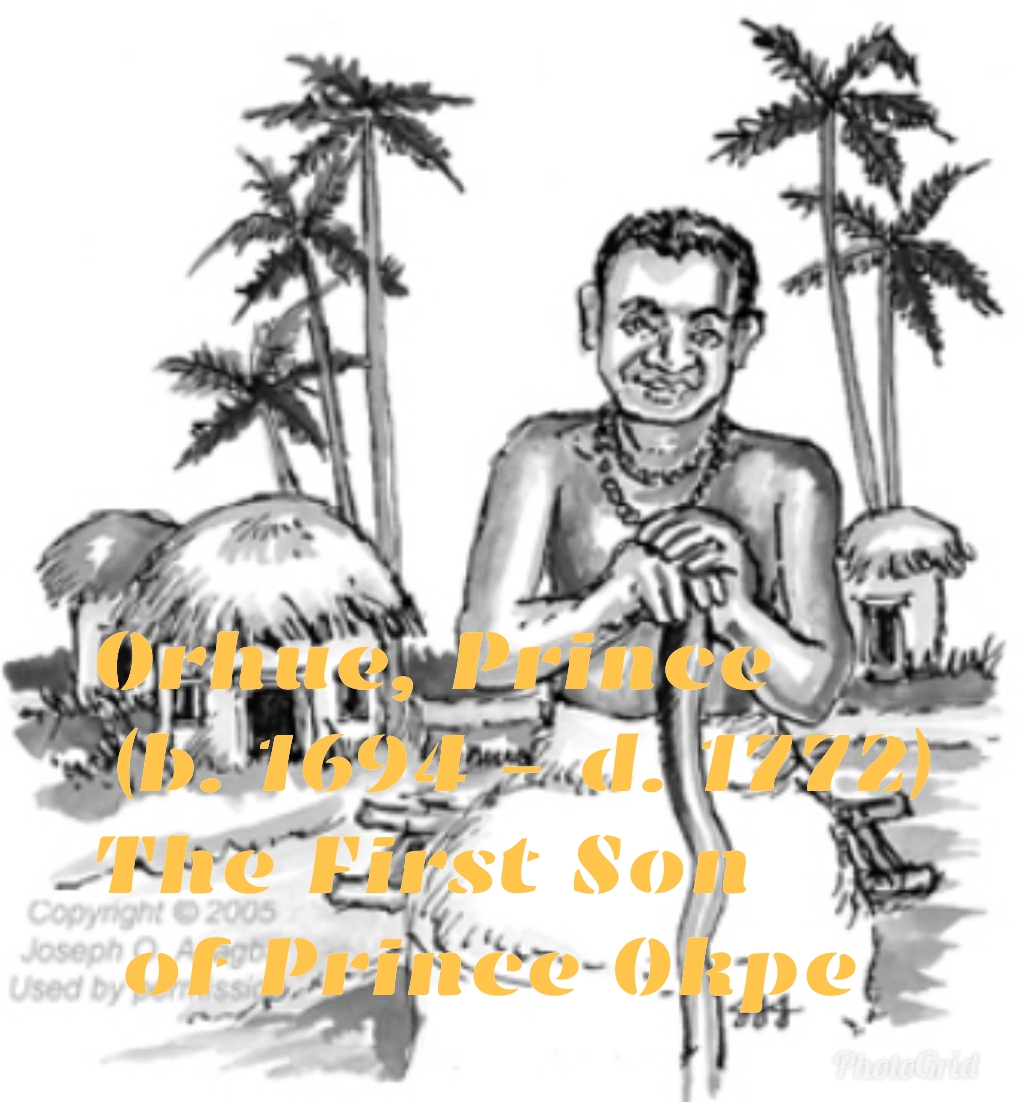
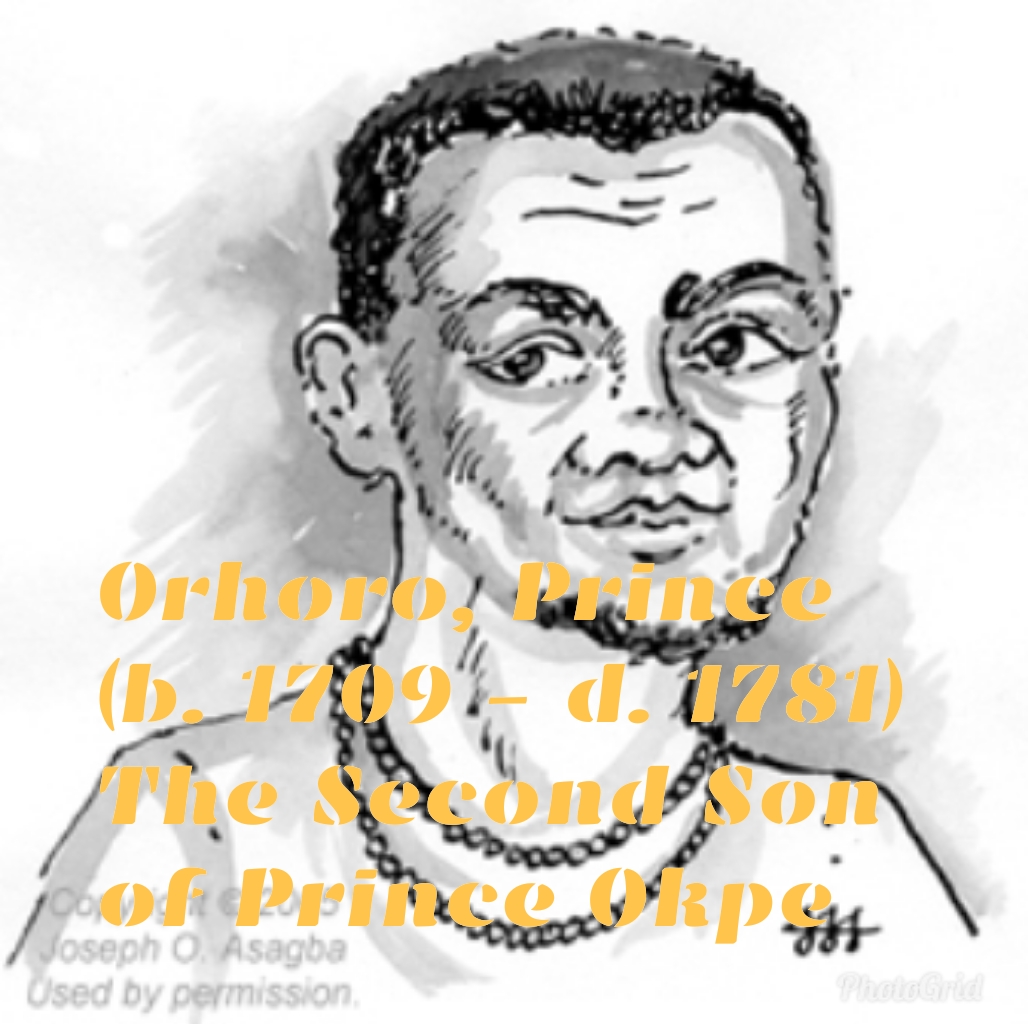
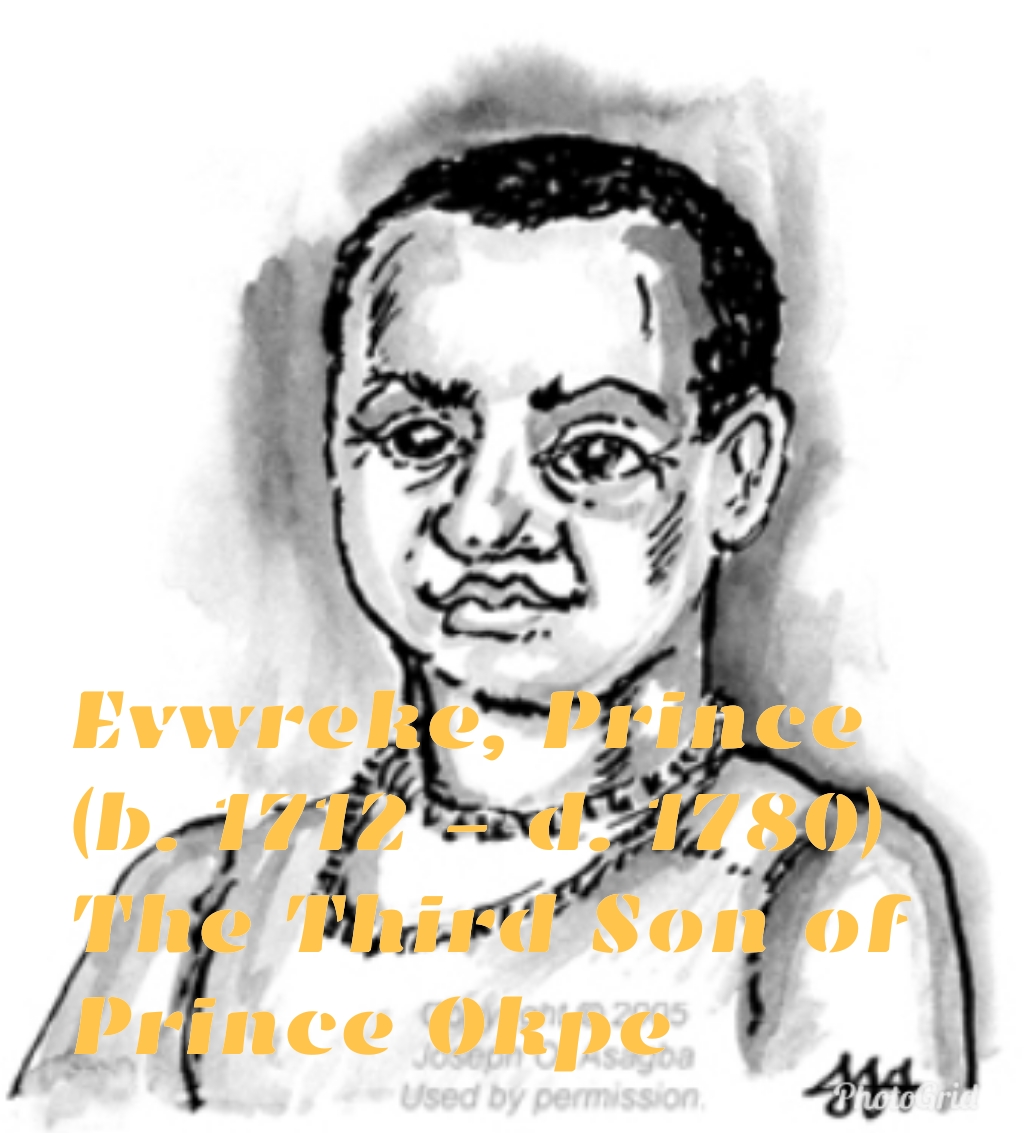
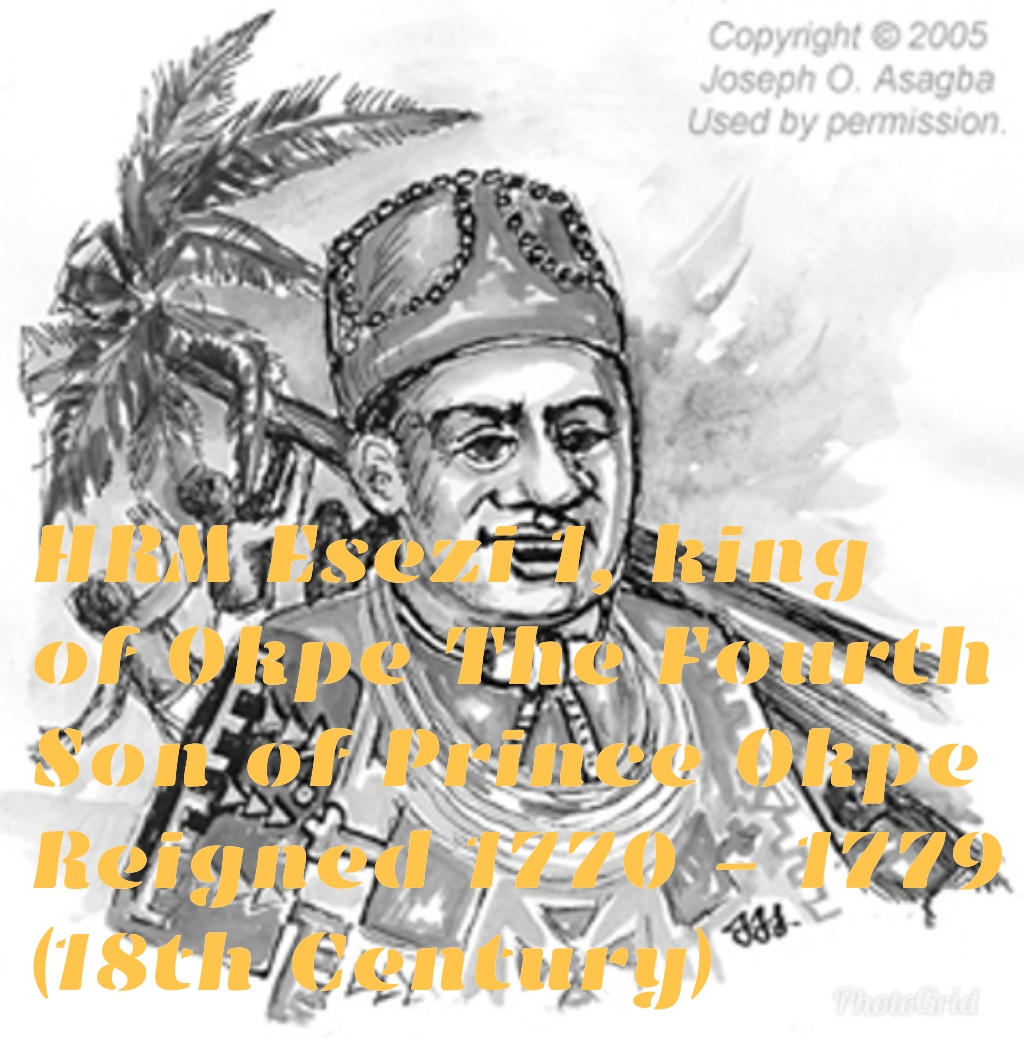
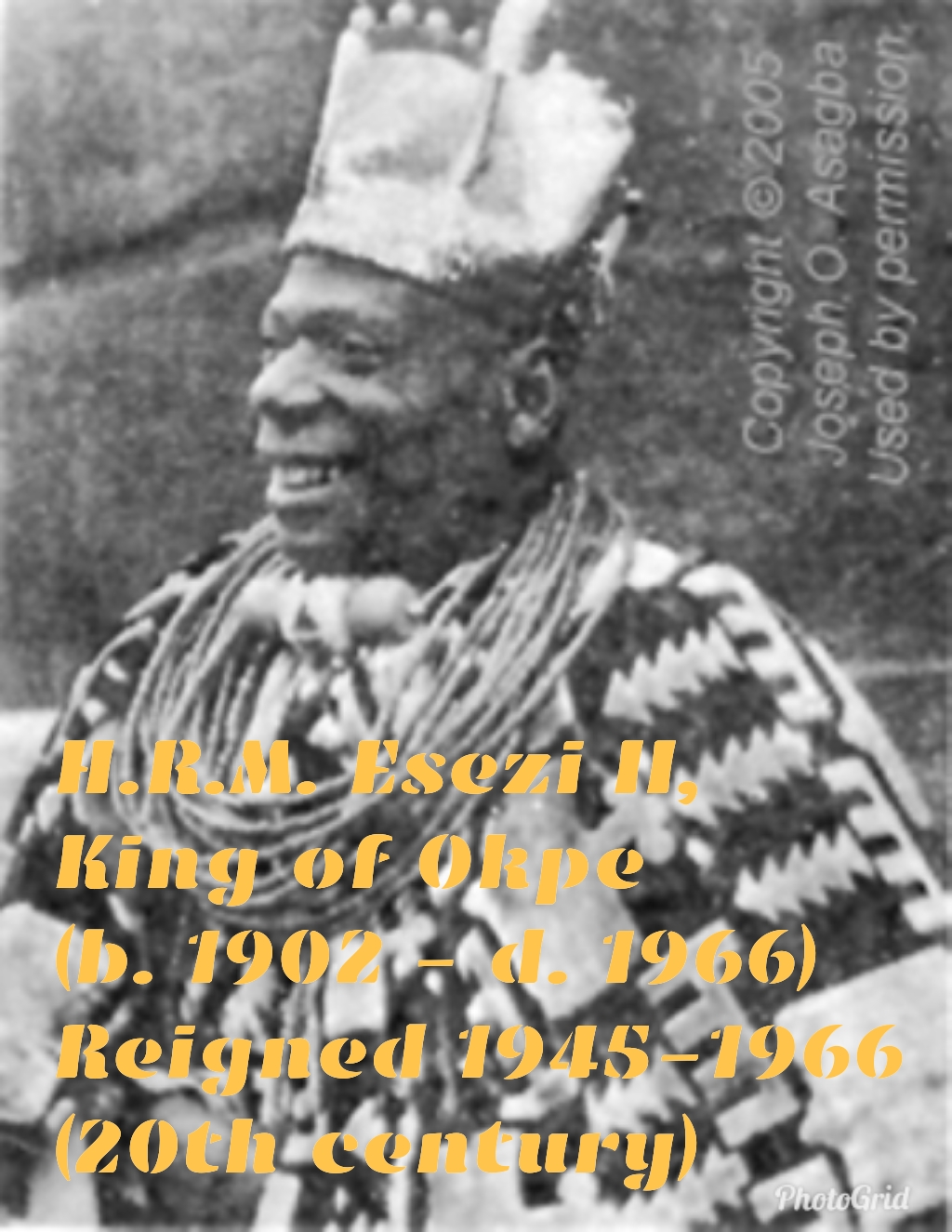
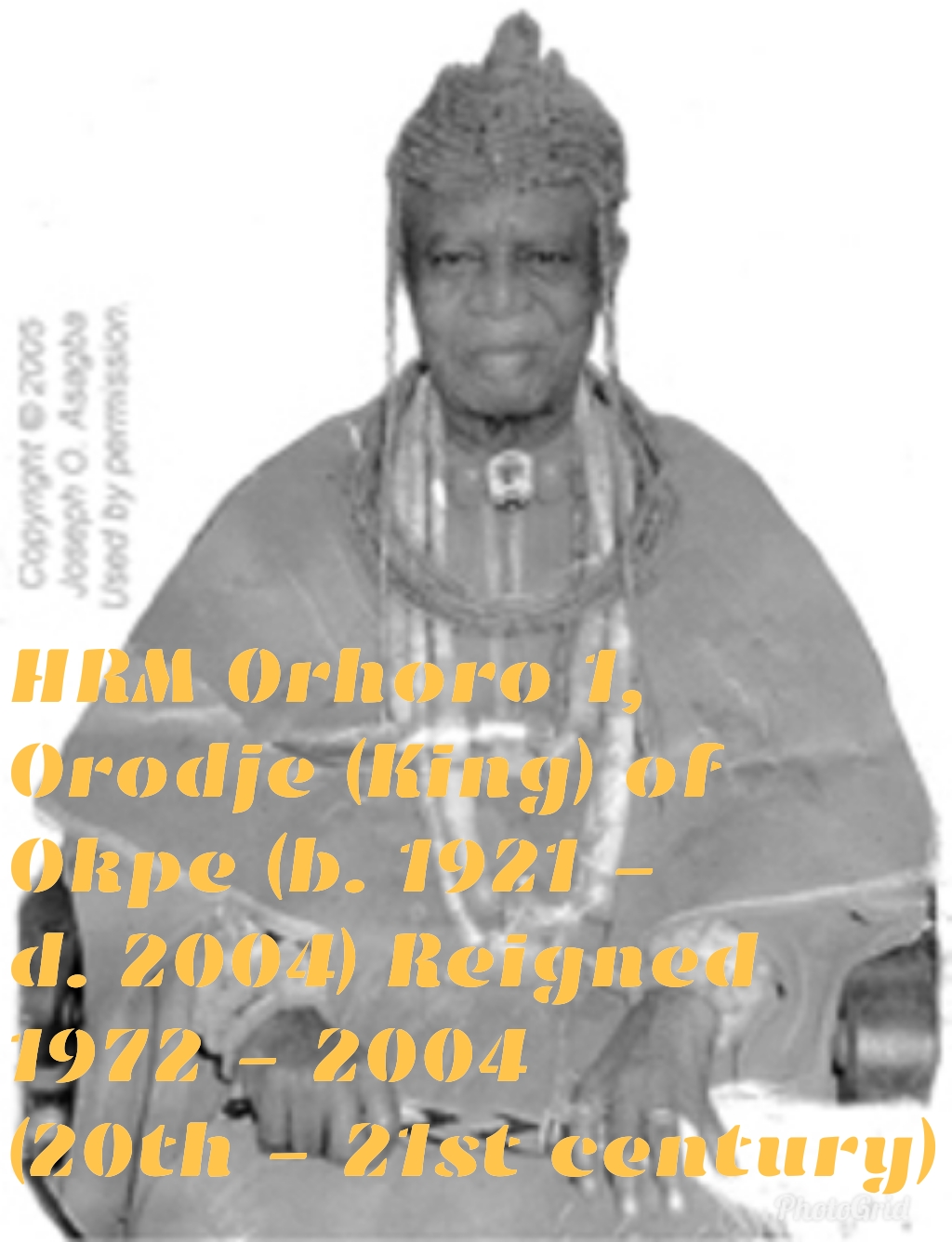
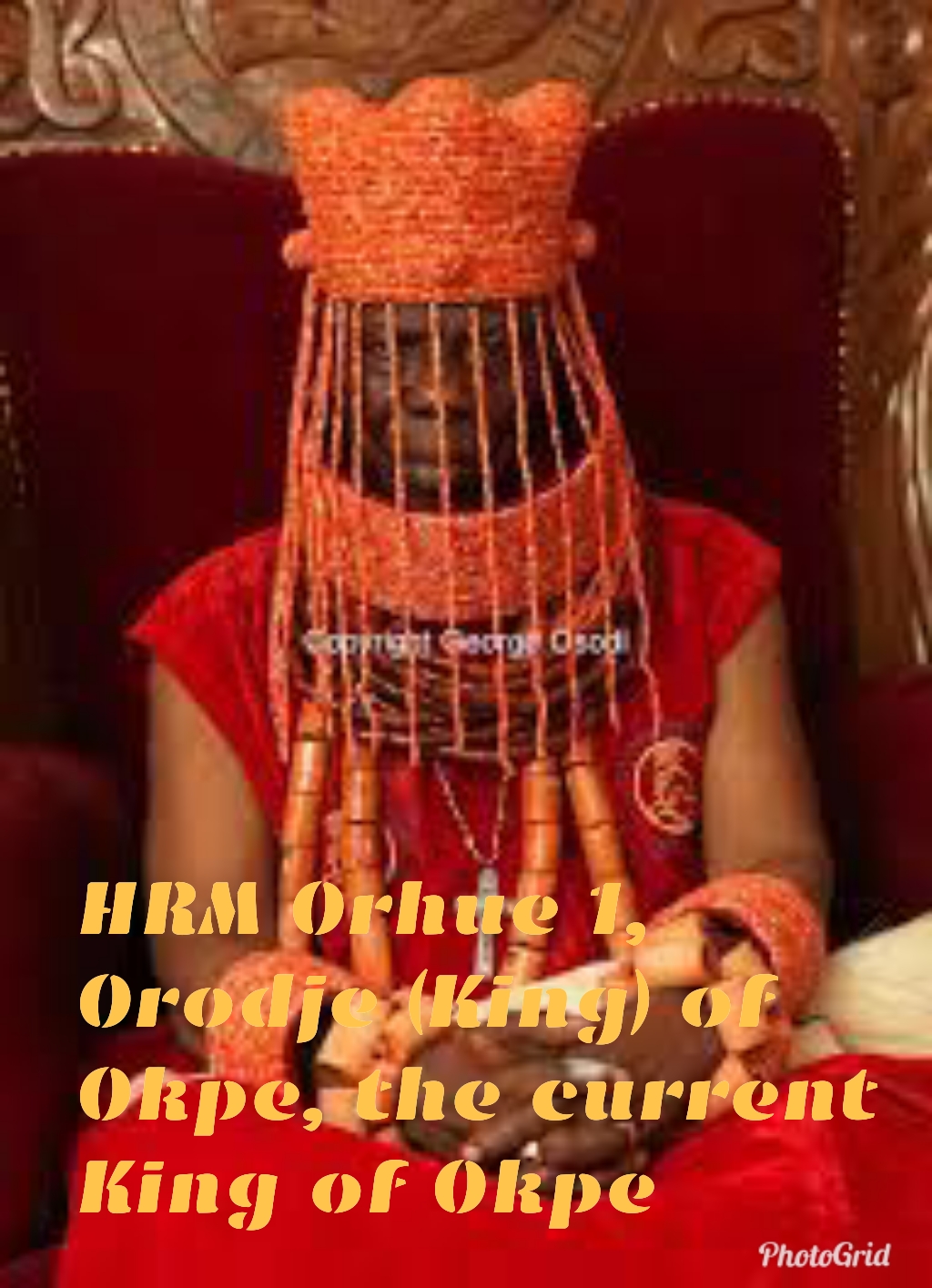
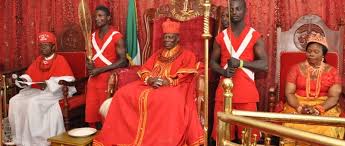
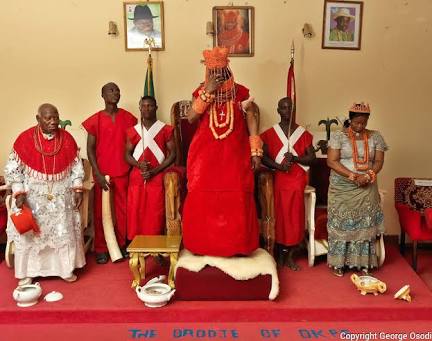
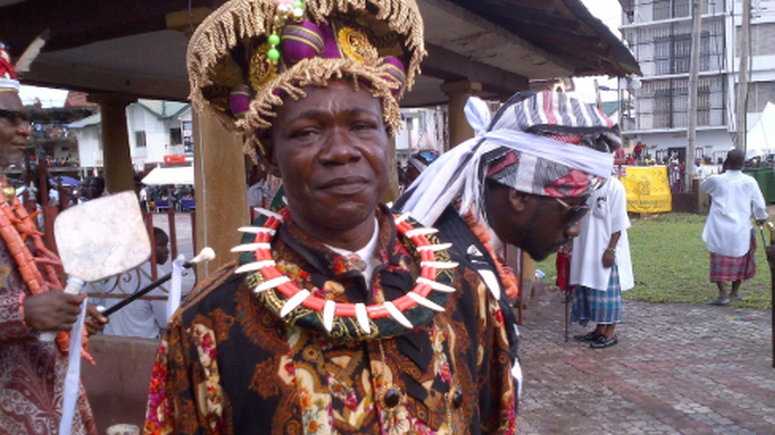
kingdom of Okpe, the largest monolithic Kingdom in Delta… Prince Igboze is the founding father of the royal family of the Okpe people. He was the son of an Oba (king) of Benin Empire. In the middle of the seventeenth century, he noticed the decline of the power of the Empire and, fearing for its future, determined to found his own kingdom. For this purpose he obtained his title of Ovie (king) from his second cousin, Oba Ahenzae of Benin, who was then on the throne, 1640 AD – 1661 AD. He left Benin Empire in the middle of the seventeenth century with his wives, family, and a number of followers (slaves) and set out southwards from Benin. It was an Israelite journey, he voyaged through modern day Auchi, Akoko-Edo, there are Okpes in Akoko-Edo till date (they were known to be the food basket of Edo then), he further located Patani through the river Niger and finally arrived at his new territory of Orere-Olomu. After a decade or so, when Igboze’s new kingdom was well established, he was later visited by an Igbo named Olomu. Olomu lived with Igboze for a long time and succeeded in winning the confidence of Igboze to such an extent that Igboze declared him his heir. Igboze, who had obtained the royal title of Ovie (king) to rule his new territory, was at the height of his power when he died. Upon Igboze’s death, Olomu took the title of Ovie. This caused a rift, because Igboze’s son, Okpe, quarreled with Olomu about who should succeed as king (Bradbury, 1957, p. 131; Hubbard, 1948, pp. 237-8; Asagba, 2005, p. 7). Okpe and his followers later left the territory and settled in the Agbarho quarters of the Isoko Okpe. Okpe lived and died in Isoko Okpe. Before his death, Okpe had four sons: Orhue, Orhoro, Evwreke, and Esezi. The descendants of those four sons are the royal members of the Urhobo Kingdom of Okpe (Otite, 1973 and Asagba, 2005). Since 1770 – 1779 AD till date the Kings are called Orodje. It is one of the many kingdoms that make up Urhobo tribe. Its capital is Orerokpe. The kingdom plays host to the Warri Airport, which is actually located at Osubi and the Delta State Trade Fair Complex. The Okpe people are known to have migrated to found the present day Sapele and the Orodje of Okpe still exercises authority over the land of Sapele. Common language, Okpe. The illustrious kingdom of Okpe as history recalls had four sons: Orhue, Orhoro, Evwreke and Esezi. These four Okpe ruling houses later decided to adopt a rotational system to produce a ruler for the kingdom. This has helped to stabilize peace and social equality in the kingdom till date. The first king produced by this system was H.R.M. Esezi I, Orodje of Okpe whose sovereignty was around the period of 1770-1779. H.R.M. H.R.M. Esezi II, became the second Orodje of Okpe. A visionary and highly idealistic monarch who believed in the system of democracy. As a pioneer advocate of democracy in the land of okpe, he also was pivotal to Nigeria. He was amongst delegates of kings that attended the 1957 Lyttelton Conference held in London in order to seek the Nigerian independence from the indirect government of the colonial master. He ruled the kingdom around the period of 1945-1966. H.R.M. Orhoro I, the third Orodje of Okpe ruled the kingdom from around the period of 1972-2004. He was educated at a Catholic school and also served in the Nigeria police force. He later earned a Business Administration Diploma in the United Kingdom. His early life experience served him well as a springboard for establishing and becoming a director of a company, the New Africa Industries Limited. He was a worthy and peace-loving monarch that held several other public posts. H.R.M. Orhue I, Orodje of Okpe is the fourth and current king of Okpe. He is a worthy monarch that served his nation as a high-ranking major general in the Nigerian Army. There is great expectations of the greatness his monarchy will add to the already illustrious history of the kingdom of Okpe…
The ancestor UJO, IJO (alias IDEKOSEROAKE), also known as UZON, IZON, IZONOWEI, KALASUO, ORU, INDO-ORU & OGULABIOWEI. THE FIRST PERE (RULER) and ancestor of the whole ethnic nationality. The Ijaws migrated from Benin between 12th and 15th century AD, common language, Ijaw.
The Sokoto Caliphate was an independent Sunni Muslim Caliphate in West Africa that was founded during the jihad of the Fulani War in 1804 by Usman dan Fodio. It was abolished when the British conquered the area in 1903 and established the Northern Nigeria Protectorate, with capital in Gudu (1804) Sokoto (1804–1850, 1851–1902) Birnin Konni (1850) Burmi (1903), the King is Sultan, common language, Arabic (official), Hausa, Fula.
Other Kingdoms and Empires of Africa
The Kingdom of Zulu, sometimes referred to as the Zulu Empire or the Kingdom of Zululand, was a monarchy in Southern Africa that extended along the coast of the Indian Ocean from the Tugela River in the south to Pongola River in the north, with capital in kwaBulawayo; umGungundlovu; Ulundi, was established 1816 – 1897 AD. The King is Inkosi, common language, Zulu.
The Kingdom of Kongo was spread across parts of what is now Angola, DRC, Republic of the Congo, and Gabon in 1390 AD – 1914 AD, with capital in Sao Salvador, Angola. Before European powers divided the African continent during the Scramble for Africa, the modern-day countries of the Democratic Republic of Congo and the Republic of Congo both formed part of the Kingdom of Kongo. Although the kingdom’s precise boundaries are uncertain today, this empire did eventually stretch into both modern-day Congos and Angola under the leadership of a Kikongo warrior, Luken Lua Nimi, whose military and political prowess dominated central Africa for centuries. Kongolese society was a quasi-feudal one and its economy was fueled by trade routes following rivers in the region and dealing in textiles, pottery, copper, and ivory, common language, Kongo, Portuguese.
I would like to stop here… But as the voyage continues I will contribute more on other kingdoms and Empires in Africa if necessary.
HOW THE ANCIENT URHOBOS ASSERTED THEIR CLANNISH OR TRIBAL IDENTITIES IN THE EARLY DAYS OF COLONIALISM.
Many people often think that it was the British who arbitrarily classified us together erroneously, without a careful study of our perculiarity and different ethnicities. They feel and advocate that the British classified different ethnicities together as Urhobo people for administrative convenience, without inputs from the people themselves.
The British came to Urhobo land in the early 1890’s but they do not really understand the terrain very well and needed to learn.
Between 1891 and 1920, all Urhobo lands were placed under Warri District. Warri District then was under Calabar Province.
But by 1922, Warri District had been upgraded to a full Province, the Warri Province. The Warri Province was made up of 4 districts as at 1922. They were 1) Warri District 2) Ughelli district 3) Sapele District 4) Kwale District. The Urhobo people were all Aboriginal and inhabited all the 4 districts of the Warri Province. But something happened in 1927, and the British had to reorganize the people again in 1930 . What was that?? It was the anti Tax riots of 1927. While the riots where actually led by the Itsekiris led by one elder Otuedon, it was the Urhobo one that turned very violent and ugly, and it was the one that really affected the economy of the Warri Province because the Urhobos were the real producers of the hot cake product, the Palm oil. It was so violent that an Okpe- Urhobo boy, called Iyikaghe from ,amoukpokpor village was shot dead in Sapele, and a colonial district officer was almost beaten to death in Kokori. One Oshue of Otor'udu was the leader of the Urhobos in the riots, he summoned all Urhobos to Igbudu in Warri for the decisions to embark on this riots. Uvwie clan was represented by Erumagborie while Okpe clan was represented by the Great Chief Egbele of Onyeke village
By 1927, Okpe clan had no king or no clan head, the last clan head was ANOVWAN of Odjedi village, whom the British met in 1891. But the British dissolved that Government in 1897, because one of the senior Chief, Eyaju Murdered a Pregnant woman. The Udogun at Odjedi was dissolved and each Okpe village now Governed itself.
And so Chief Egbele used this Anti tax riots matter as an opportunity to try and restore the Udogun Government once again in Odjedi in ,1927 after 30 years of hibernation. He was well supported by many Okpes. He was supported by the likes of Chief Temisan of Umiaghwa village of the Evwreke house, Chief Echerusi of Ughoton of the Esezi house, Chief Ogoro of Oha of the Orhoro house. Also supporting him was Chief Emakpor of Ughoton
But he was also opposed by some
And among those who opposed him were some older than him and more Powerful than him.
These ones also believe that Odjedi should stop being the headquarters of Okpe clan and that it was time for Orerokpe their ancestral home be restored and rebuilt as their Capital after being abandoned for about 150 years.
And so Another Odogun Council meeting was started in Orerokpe to Neutralize the Odjedi own.
It was headed by Chief Ayomanor Evwida, the Otota of Amuokpe and also the Otota of the Owhere House, he was supported by Chief Kogoro Ide of Arhagba, the most senior Okpako of the Owhere house. Further supports came from Chief Agbaifo of Aghalokpe the most senior Okpako of the Ogoni family and also Chief Edwin Asan Omarin the Otota of the Ogoni family.
Then you also have Chief Edjebba of of Adeje, a descendant of Odorume of the Orhue house supporting them
Again you have Chief Akalusi Most senior Okpako of the Esezi house supporting them. But by creating 2 faction, they played into the hands of the British, for the Odjedi factions supported the anti Tax riots massively, while the Orerokpe faction was against it . It the end the British arrested all the ring leaders of rioters in Urhobo land. Otuedon the Itsekiri leader fled to Gold coast which is Modern day Ghana. Under arrest, the British wanted to know why the Urhobo riots were very violent compared to the rest people. Chief Egbele explained to them that it was because they were using the Itsekiris, who were not Urhobos, as tax Masters over the Urhobo people, and that being of different tribes, the Itsekiris do not understand their ways and that the Itsekiris used that as an opportunity to oppress them, by confiscating their properties unnecessarily. Egbele,'s statement caused a revolution...Sir M.C Moorhouse, Governor of Southern provinces from Enugu, immediately ordered that an intelligence reports based on ethnicities, be made for all the People in Southern Nigeria and that they should be classified according to their clans, and their own chiefs from their own clans be used as Tax masters over them. Thus the ring leaders were all released and immediately appointed as Warrant Chiefs to also be made Tax collectors, the very thing they fought against. Chief Egbele was asked to dissolve his factional Udogun Council in Odjedi and joined the Chief Ayomanor led Udogun in Orerokpe. The Lt Governor Southern region when visiting Urhobo land in 1934, Presented Chief Egbele with an Royal medal of the British empire for his Advice. And so the British conducted a thorough intelligence reports across the country on the different people, wherein the people where asked narrate their history and anthropology to the British,...these intelligence reports were now used to classify the people for administrative convenience. But did the British alter the narrations given to them by our ancestors when writing the intelligence reports,?? Yes but in a few occasions. For example the Oghara clan rejected the intelligence report written about them that Oghara used to be a slave to the Ologboshere of Itsekiri who set him as a guardian over all Oghara Lands. They also rejected that they were Customary tenants of the Ologboshere family of the Itsekiris. In fact they took the Itsekiris to court in 1942, contested the intelligence report and the Itsekiris themselves opted for an out of court settlement and a consent judgement was given. The boundary between Oghara and Itsekiri was thus given at "Jackson's line" in Ajagbodudu. The Owhowha clan of Ogor, Agbarha, Ughelli and Orogun also reject parts of their own intelligence report christened "Ogelle clan'". Agbarha and Ogor people rejected it claiming that the writer Sir P.V Maine relied too much on the story told him by the OVIE of Ughelli as the Source of their history. According to them, they did not descend from Ogelle as the Ughelli king informed him but they descended from Owhowha... Secondly, Ughelli was not the first born son of Owhowha but it was Ogor. The Protest became so tough that the resident of Warri Province had to order fresh enquiry,..he commissioned Another Colonial district officer called Stanfield, review the works of Maine. This Stanfield did, Stanfield practically accepted the works of Maine except by saying Owhowha was the ancestor not Ogelle and that Ogor indeed was the first born son. This Stanfield findings infuriated, the Ughelli people and their king, who rejected the recent work of Stanfield. And so a 3rd report was commissioned this time to be made by Chadwick, a seasoned colonial officer of Urhobo matters in 1934. And Chadwick also resolved the minor discrepancies in favour of Stanfield. Still the Ughelli people and king disagreed with that findings. And so Rutherford ruled that since the discrepancies were so small, all 3 reports be kept side by side for future references. But with this reports the British started reorganizing the People according to their respective clans. They abolished many districts and upgraded them to divisions. Kwale district was changed to Kwale Division.
Ughelli district was Changed to Sobo Division
A part of Warri District was Combined with the Sapele District to form the Jekri-sobo division.
The other part of the Warri District became the Western Ijaw Division.
The British now removed Agbon and Abraka clans from the Kwale Division and put them under Jekri-sobo but they left Orogun behind under Kwale Division honestly believing that they were Ukwuanis.
But the Orogun people headed by Chief Ogidi vehemently rejected via many protest letters to the white man that despite their proximity to the Ukwuanis and the language similarities, that they are Urhobos. And demanded that they be removed from Kwale Division and be joined with their brothers in the Sobo Division of Ughelli
A referendum was conducted for them and 97% voted and they were moved to join their brothers in 1934.
While all these where going on, the Isokos, Okpes or Uvwie, never objected with any single Petition not to be classified as Urhobos because they were not Urhobos.
In fact while Orogun was rejecting being classified as Ukwuanis and vehemently being added to Sobo Division, Chief Ayomanor, Head of Okpe Clan summoned all Urhobo Chiefs and the newly founded U.P.U to Orerokpe.
The purpose was for them to write you the white man that all the Urhobo clans of the Jekri-sobo division be removed from that Division and be joined to their brothers in Sobo Division with Headquarters in Ughelli or an Independent Western Urhobo Division, be created for them with Headquarters in Orerokpe.
Ayomanor thus started an Urhobo struggle and he was elected the first President of Urhobo General Council.
While Ayomanor was galvanizing the Urhobos for “Independence”, in Far away Lagos an Okpe son and first Okpe Lawyer, Chief Julius Eyituoyo Odiete was Joining other Urhobo sons to Co found the U.P.U Lagos branch. Chief Julius Odiete was the grand son of Odiete Owhebor the Otota of Okpe Clan in Odjedi BEFORE THE WHITE MAN CAME
He had co-founded the Okpe union in Lagos in 1930, as it’s first organising secretary before now coming, to Co-found the U.P.U Lagos branch in 1934, still as it’s first organising secretary.
By 1946, the British had done series of reorganization of the different Urhobo clans based on their Protests and true identity.
By 1937, the British craftily responded to the Ayomanor led Protest and created a Treasury centre for all Urhobos on the Jekri-sobo division in Orerokpe.
Still they continued the struggle….By 1947, it was upgraded from a mere Treasury centre to a full administrative Headquarters in Orerokpe.
Still they continued to struggle.
On the first of May 1949, the British Colonial Government finally removed all Urhobos from the Jekri-sobo division and joined them to their brothers in the Sobo Division in Ughelli.
But by 1955, they were returned back again as a District Council of it’s own with Headquarters in Orerokpe.
So the Colonial Government was stunned and surprised, when for the first time in 1947, the Isoko people petitioned that they were not Urhobos and be given their own All Isoko Division.
The Petition was utterly dismissed, because from the early reorganization days of the late 20’s and early 30’s, there was no single protest letter from the Isoko people that they were being erroneously classified as Urhobos.
Moreover all Historical, anthropological and linguistics investigations carried out clearly shows that the Isokos were Urhobos.
But however credible information was obtained from their petitions.
1) That Ughelli was too far as a divisional headquarters from some extreme parts of Isoko land.
2) So when they come to Ughelli for administrative summons often find it difficult to go back home, on their night Journey home they are usually robbed or raped and this have destroyed many marriages.
3) Some of their Women who decide to pass the night in Ughelli and to continue their Journey back home end up being converted to wives of their male hosts.
These were the merits Identified in their Petitions.
And so the British proposed that a new Division, the Eastern Urhobo Division, being created with Headquarters in Oleh, While Ughelli becomes the headquarters of central Urhobo Division, and Orerokpe becomes the headquarters of Western Urhobo division…These were the state of affairs before the British left us in 1960…..To be continued in Part 2 on what actually led to the Isoko separation from the Urhobos in 1963.
 Okpe Quotidians