
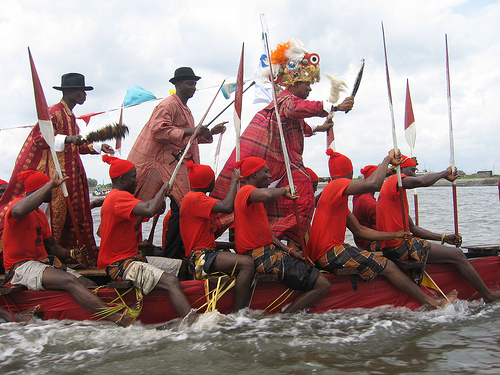
••• Africa was civilized and well organized before the arrival of European conquest
Friday, 22nd May, 2020
By Tega Ezekiel Ughara
Kingdom of Upper Egypt, with capital in Thinis, was established in date Unknown – 3150 BC. The Kings were called Pharaohs, common language, ancient Egyptian.
Kingdom of Lower Egypt, with capital in Memphis, was established in date Unknown – 3150 BC. The Kings were called Pharaohs, common language, ancient Egyptian.
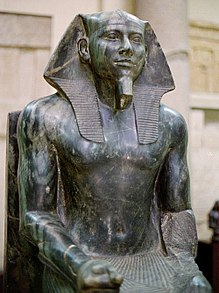
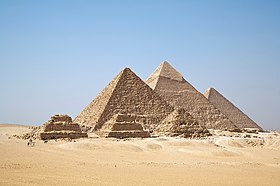
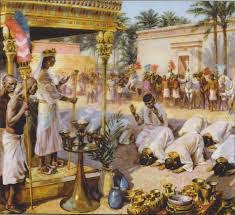
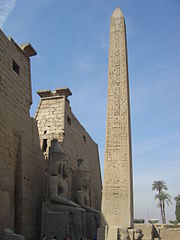
The unification of Upper and Lower Egypt, was established in 3150 BC – 2686 BC. The Kings were called Pharaohs, common language, ancient Egyptian. It is generally taken to include the First and Second Dynasties, lasting from the end of the Naqada III archaeological period until about 2686 BC, or the beginning of the Old Kingdom. With the First Dynasty, the capital moved from Thinis to Memphis with a unified Egypt ruled by an Egyptian god-king. Abydos remained the major holy land in the south. The hallmarks of ancient Egyptian civilization, such as art, architecture and many aspects of religion, took shape during the Early Dynastic period.
Old Kingdom of Egypt, with capital in Memphis was established in 2600 BC – 2100 BC. The Kings were called Pharaohs, common language, ancient Egyptian.
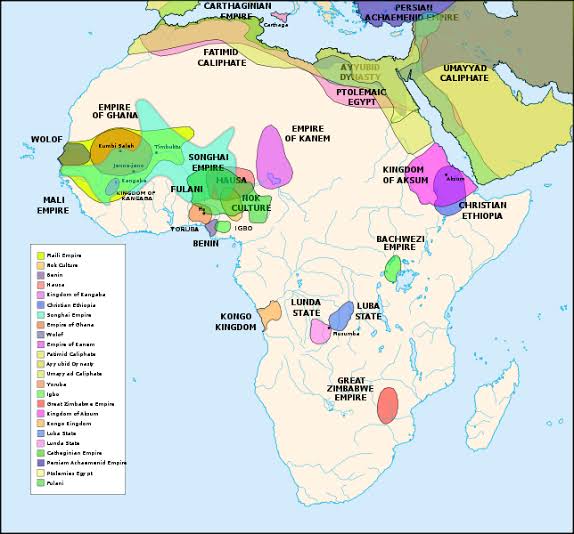
The first kingdom known to have existed in Ethiopia was the kingdom of D’mt, with its capital at Yeha, where a Sabaean style temple was built around 700 BC. It rose to power around the 10th century BC. The D’mt kingdom was influenced by the Sabaeans in Yemen, however it is not known to what extent. The King was called Negus, common language, Amharic, Agaw, Ge’ez.
Kush Kingdom, south of Egypt. For the period of Kushite rule in Egypt, see Twenty-fifth Dynasty of Egypt. was an ancient kingdom in Nubia, located at the Sudanese and southern Egyptian Nile Valley, with capital in Napata, Meroe. The Kingdom was established in 785 BC – 350 AD. Common language, Meroitic language, Nubian languages, Egyptian, Cushitic. The Kings were called Pharaohs of the Twenty-fifth Dynasty of Egypt, until they were defeated by the Neo-Assyrian Empire under the rule of Ashurbanipal a century later and finally expelled from Egypt by Psamtik I.
The Kingdom of Aksum, also known as the Kingdom of Axum or the Aksumite Empire, was an ancient kingdom centered in what is now Eritrea and the Tigray Region of northern Ethiopia. Axumite Emperors were powerful sovereigns, styling themselves King of kings, king of Aksum, Himyar, Raydan, Saba, Salhen, Tsiyamo, Beja and of Kush. Ruled by the Aksumites, it existed from approximately 80 BC to AD 825. The polity was centered in the city of Axum and grew from the proto-Aksumite Iron Age period around the 4th century BC to achieve prominence by the 1st century AD. Aksum became a major player on the commercial route between the Roman Empire and Ancient India. The Aksumite rulers facilitated trade by minting their own Aksumite currency, with the state establishing its hegemony over the declining Kingdom of Kush. It also regularly entered the politics of the kingdoms on the Arabian Peninsula and eventually extended its rule over the region with the conquest of the Himyarite Kingdom. The Manichaei prophet Mani (died 274 AD) regarded Axum as one of the four great powers of his time, the others being Persia, Rome, and China, with capital in Aksum (Axum), common language, Ge’ez. The King was called Negus.
The Benin (Edo), Oyo (Yoruba), Ife (Yoruba), Okpe (Urhobo), Itsekiri, Agbor (Ika), Ijaw, Nri (Igbo), Dahomey (Benin Republic), Ashanti, Mali, Kanem Bornu, etc are all cousins. They migrated from the Nile Valley (Egypt) to west Africa.
The Ghana Empire, one of the oldest in Sub Saharan Africa with capital in Koumbi Saleh, was spread across parts of what is now Mauritania, Senegal, and Mali in 500 AD – 1240 AD. More commonly known as Wagadu, this kingdom was an important stop along the trans-Saharan trade route which connected African societies in the Sahel to the markets found along the coastlines of the Mediterranean Sea and the trans-Saharan gold trade. Although its capital city was said to have changed several times, one of these, Koumbi Saleh, was the biggest city south of the Sahara Desert. At its peak, it was home to between 15,000 and 20,000 people – a phenomenal population for a city which had a limited water supply. They specialized in the trade of gold and kola nuts (the latter of which became the secret ingredient in Coca-Cola centuries later). The Kingdom of Ghana’s decline was cemented when it became part of the kingdom of Mali around the year 1240 AD, common language, Soninke, Malinke, Mande.
The Kanem Bornu Empire, one of the oldest in Africa was established in 700 AD – 1380 AD, was located in the present countries of Chad, Nigeria and Libya, with capital in Njimi, king is Mai, common language is Kanuri, Teda.
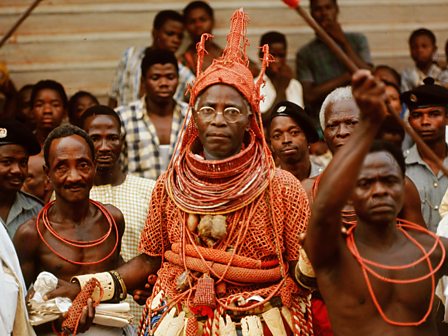
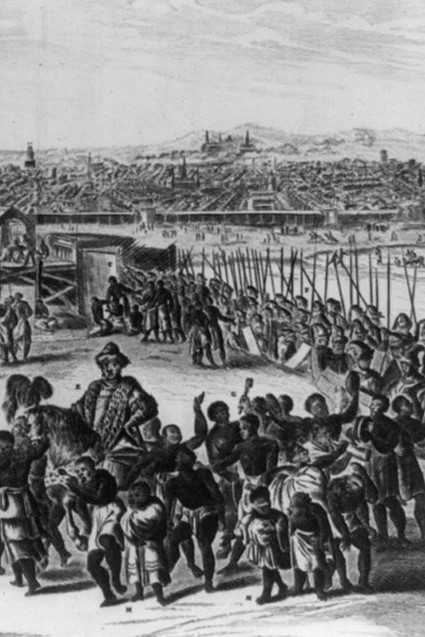
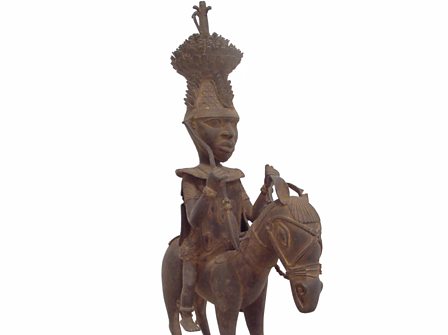
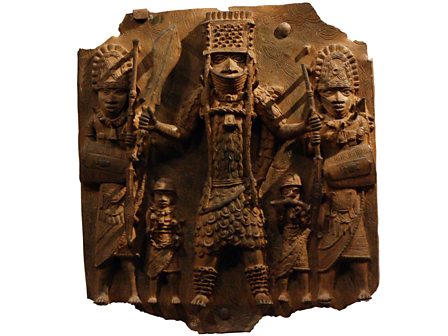
Benin (Bini) Empire, in 900 AD – 1200 AD, with capital in Edo (Now Benin City) and the Kings were called Ogisos, which means ‘Ruler of the Sky’. The era of Benin empire the Kings were called Oba, that was 1180 – 1897 AD and the King is being called Oba till date, common language is Edo. The Empire was considered one of the oldest and most developed states in Sub Saharan Africa until its annexation by the British Empire. Famous artisans crafted masterpieces from ivory, bronze and iron. The Benin Empire had a strong trading relationship with the Portuguese, exchanging palm oil, pepper, and ivory for Manilla (a form of currency used in West Africa) and firearms. The relationship even saw an ambassador visit Lisbon in the 16th century. Britain’s first expedition to Benin occurred in 1553 AD and a mutually beneficial trading relationship existed throughout the 16th and 17th centuries until Benin suspected Britain of making controlling advancements. Dutch, British and Portuguese explorers brought numerous tales back to Europe of the beauty, wealth and sophistication of Benin.
The Kingdom of Nri, with capital in Igbo-Ukwu, started 1043 – 1089 and 1988 to present, the King is Eze, common language is Igbo.
The Oyo Empire, with capital in Oyo-Ile, was established 1200 – 1535 AD. The King is Alaafin, common language is Yoruba.
The Ife Kingdom is classified into two period. *Classical (Pavement) 12th – 15th centuries AD. *Post Classic (Post Pavement) 15th – 17th centuries AD, with capital in Ile-Ife, the King is Ooni, common language is Yoruba.
The Agbor Kingdom, with capital in Agbor, was established in 1270 – 1307 AD. The King is Dein, common language is Ika.
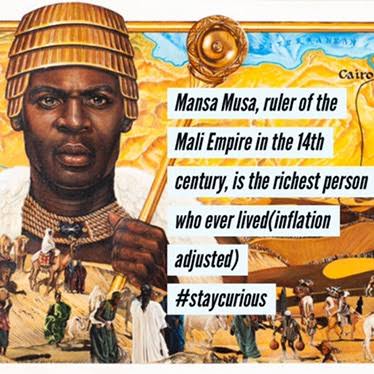
Mali Empire, with capital in Niani later Kangaba, was established in 1230 – 1670 AD. The Emperor is Mansa, common language is Malinke, Mandinka, Fulani, Bozo.
According to Bini and Itsekiri histories Ginuwa, a prince of Benin founded the Iwere (Warri) Kingdom about 1480 – 1500, with capital in Warri, the King Olu, common language Itsekiri.
Kingdom of Dahomey, with capital in Abomey, was established in 1600 – 1904 AD. The king is Ahosu, common language, Fon.
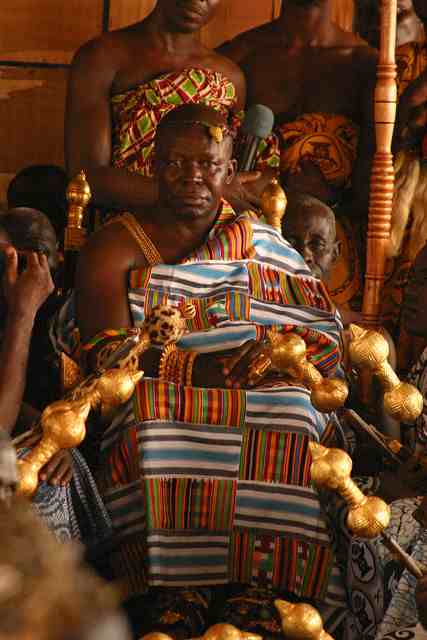
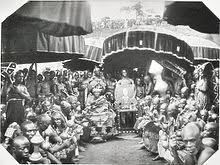
Ashanti Empire, the Kingdom of Ashanti, with capital in Kumasi, was established in 1670 – 1957 AD. The King is Asantehene, common language, Ashanti (Twi) (Official).
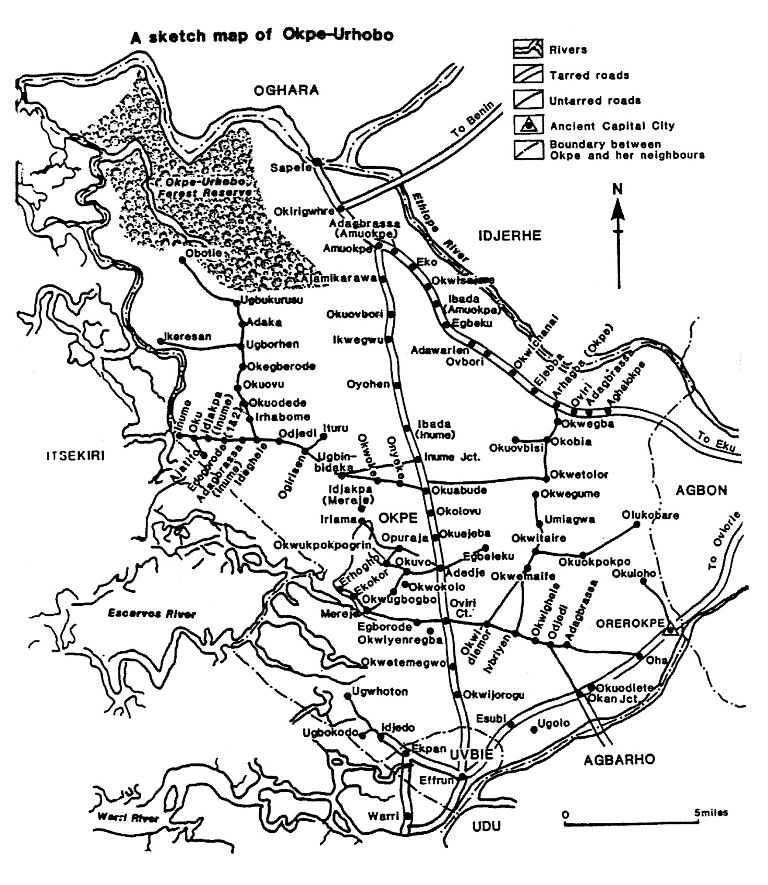
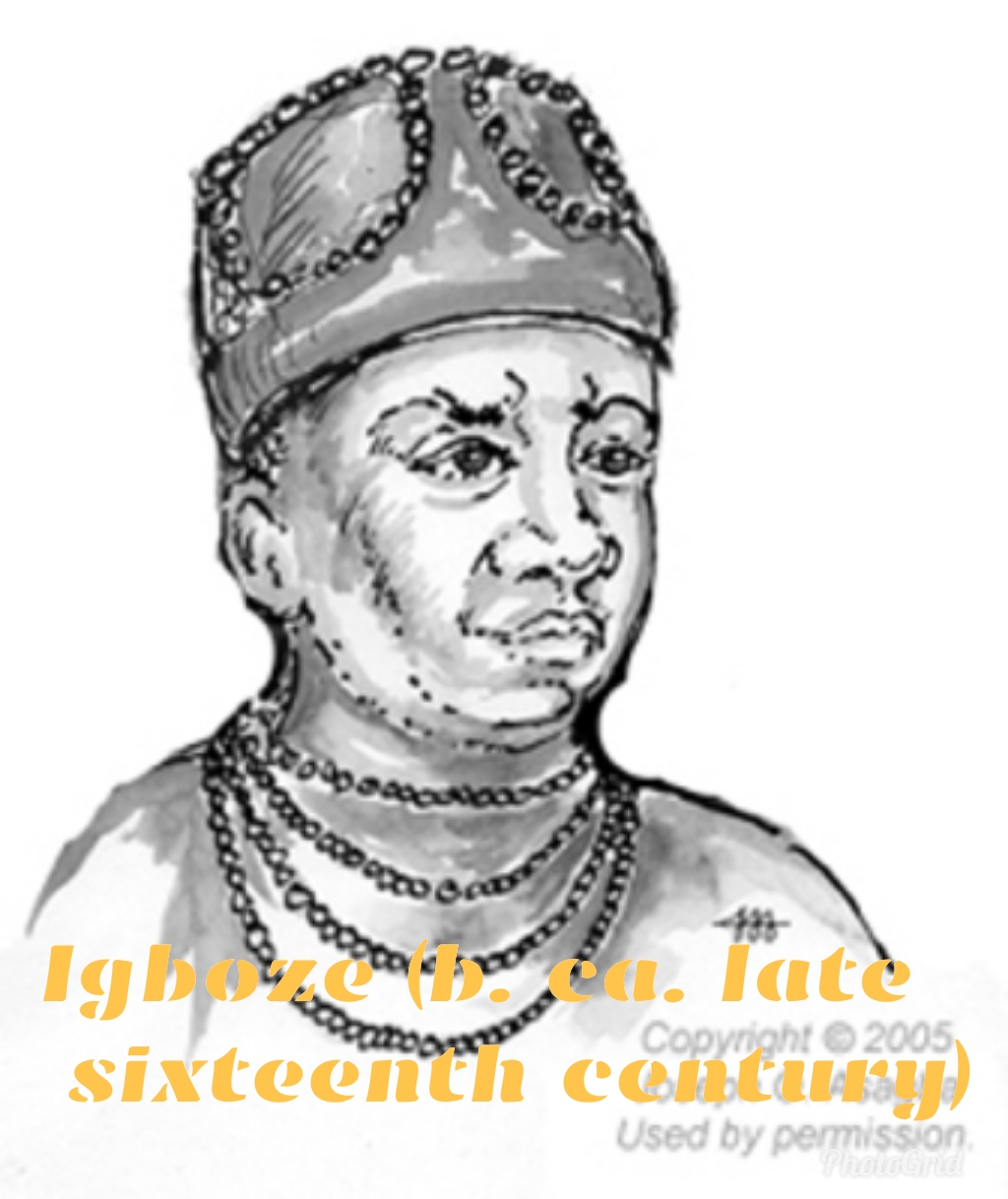
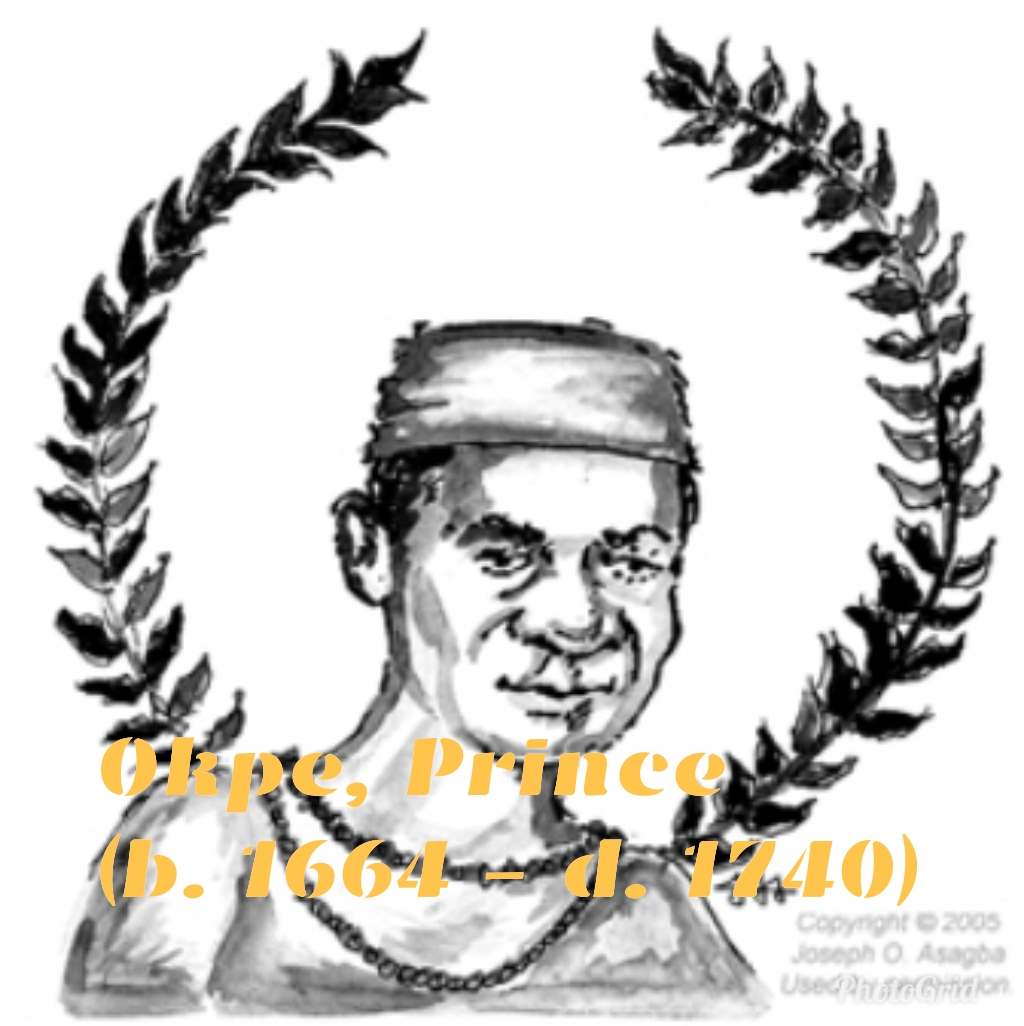
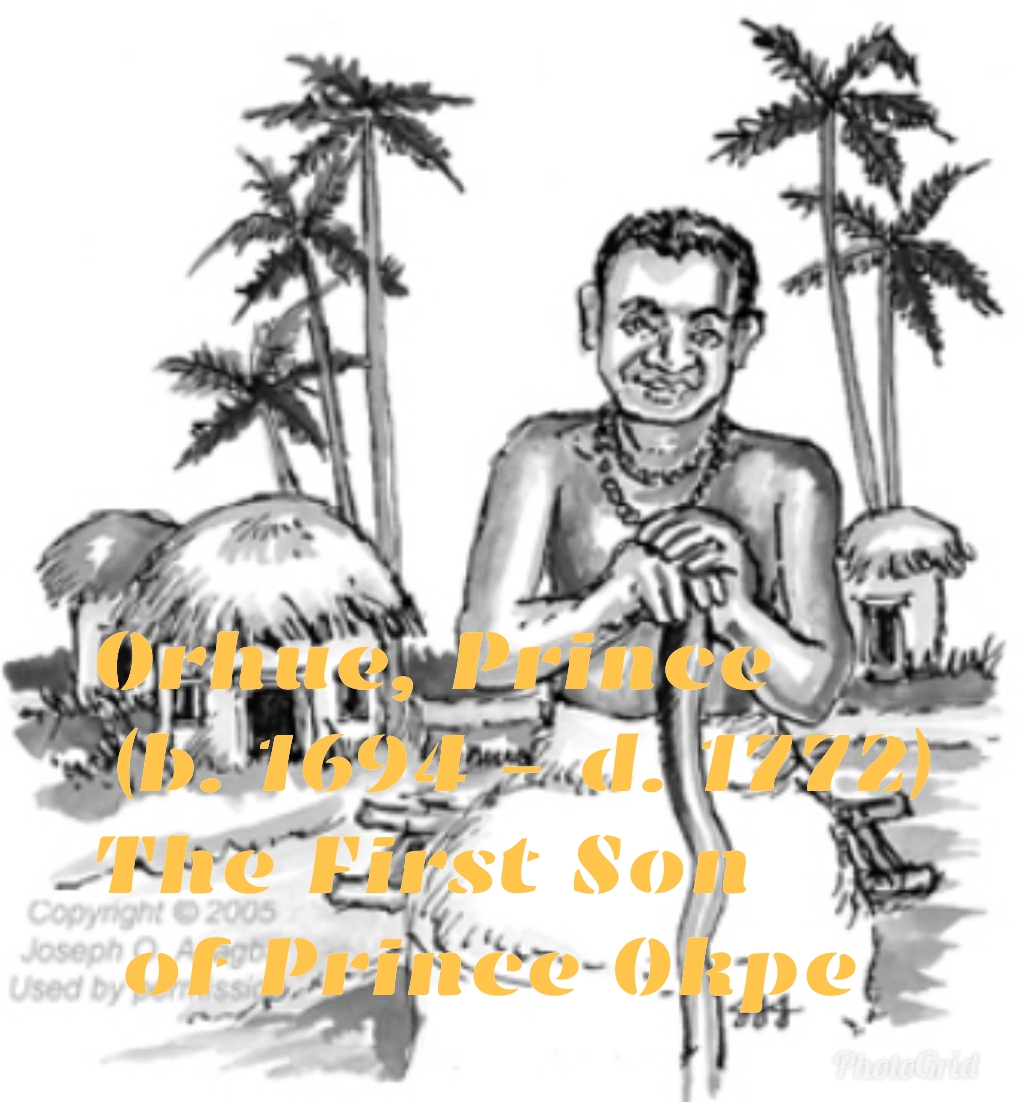
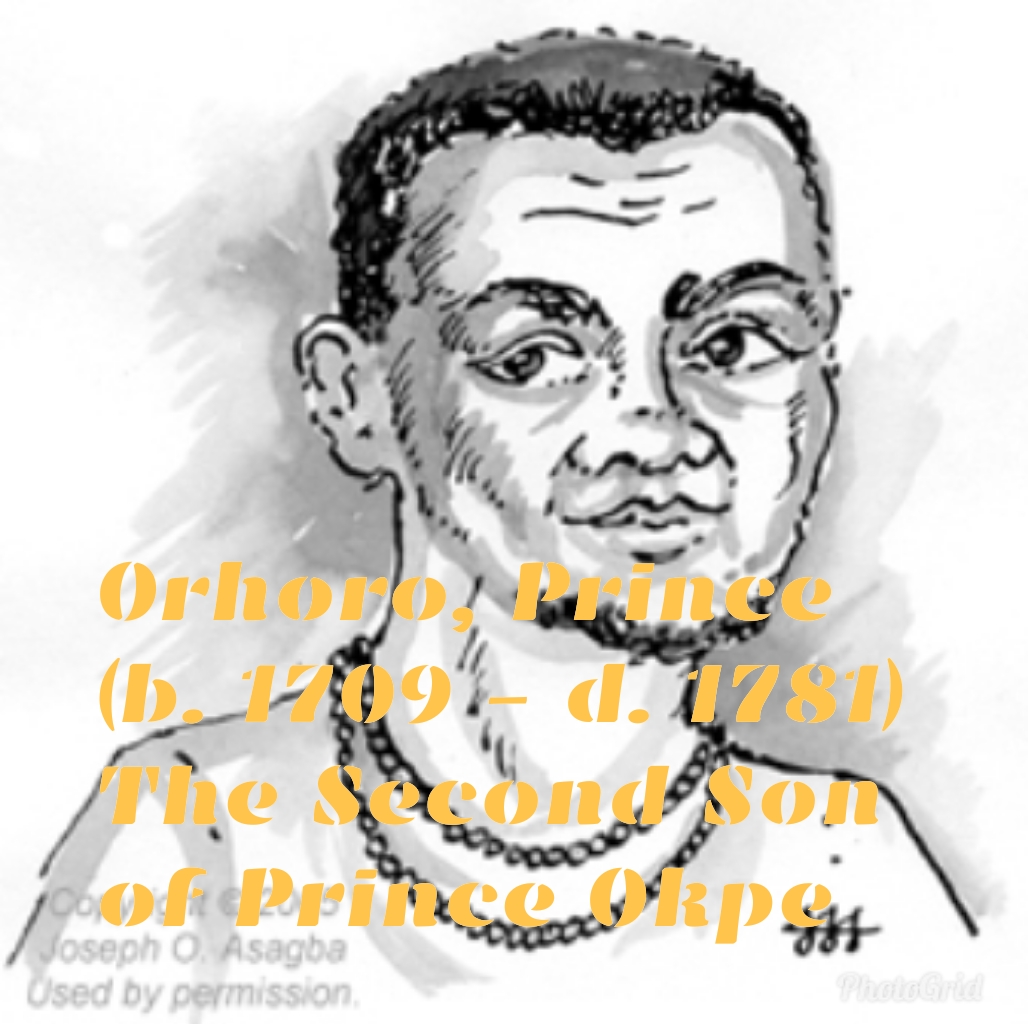
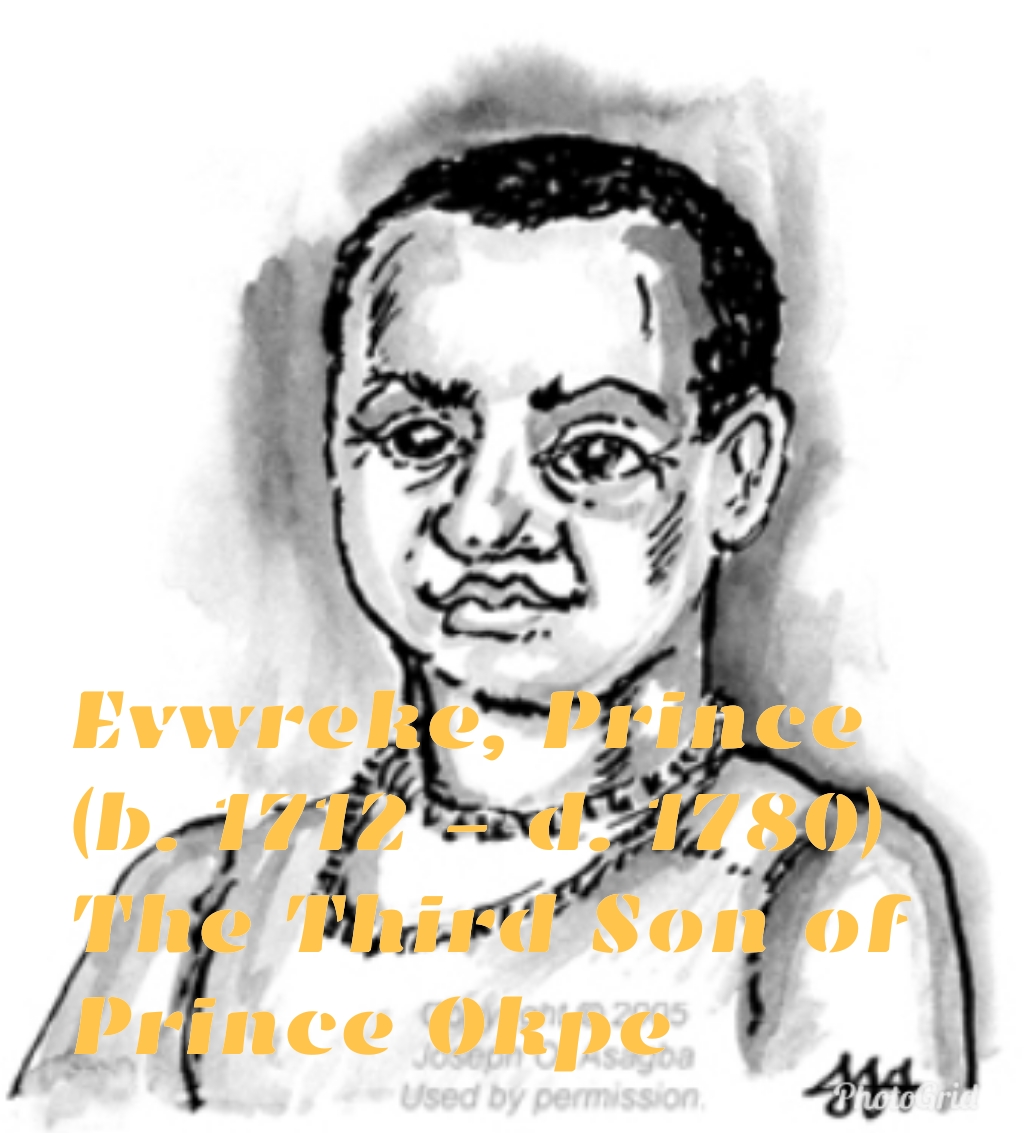
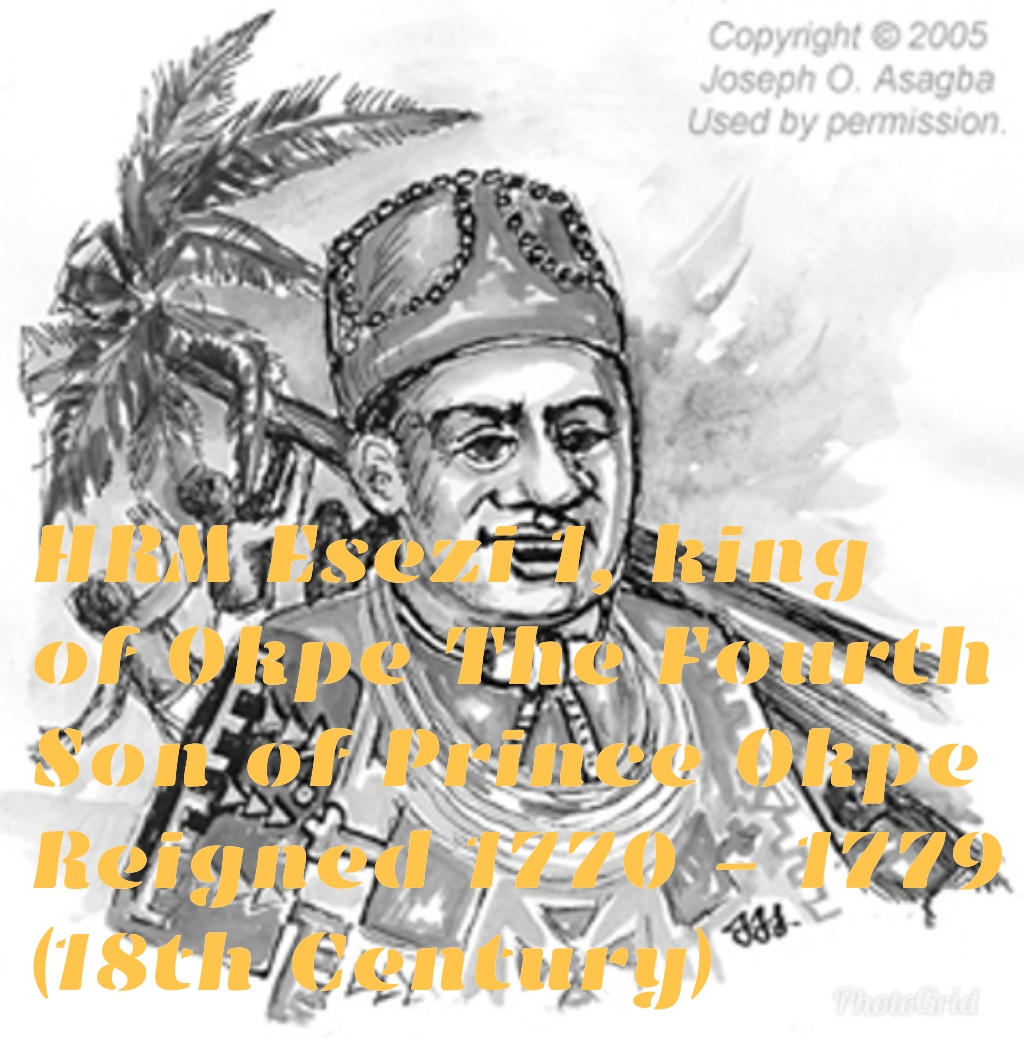
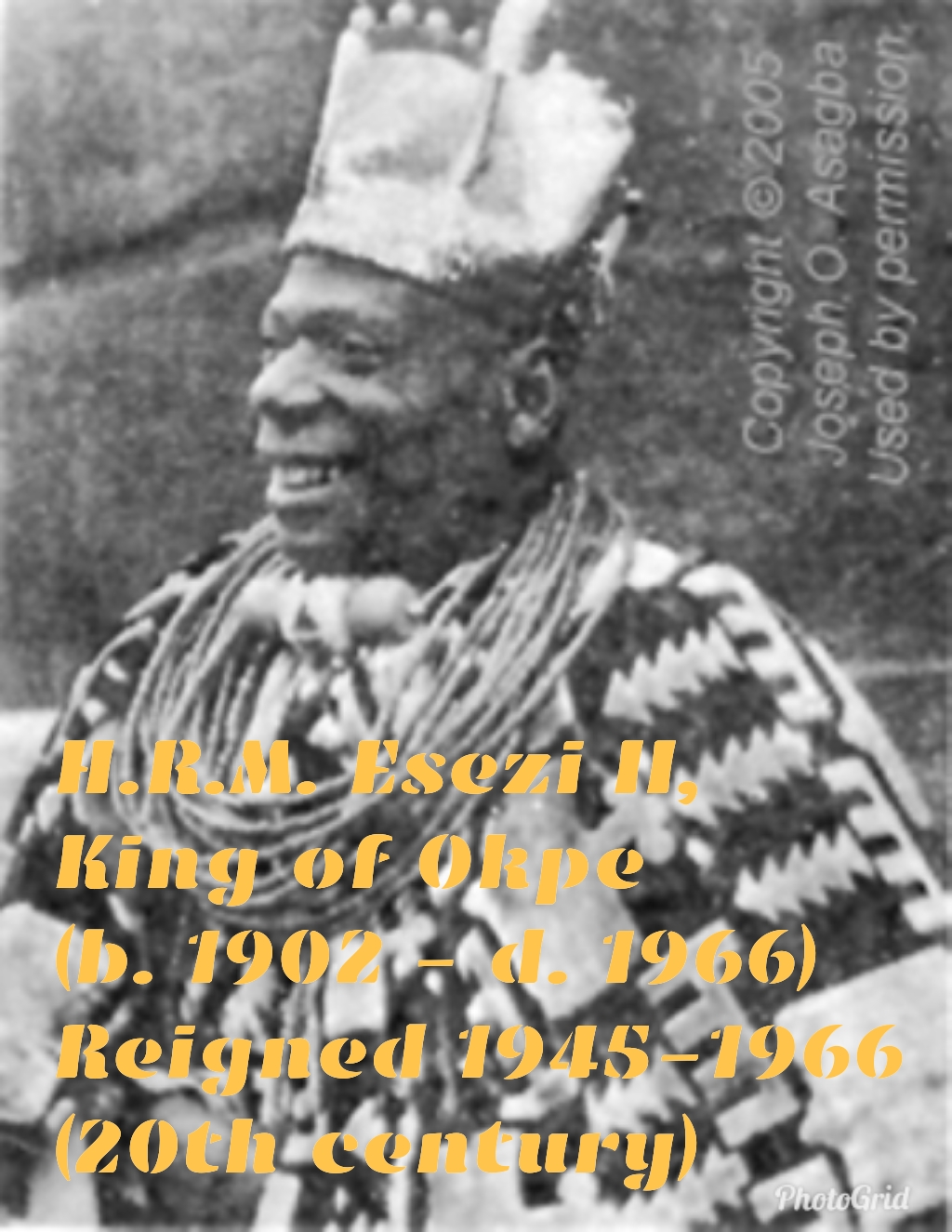
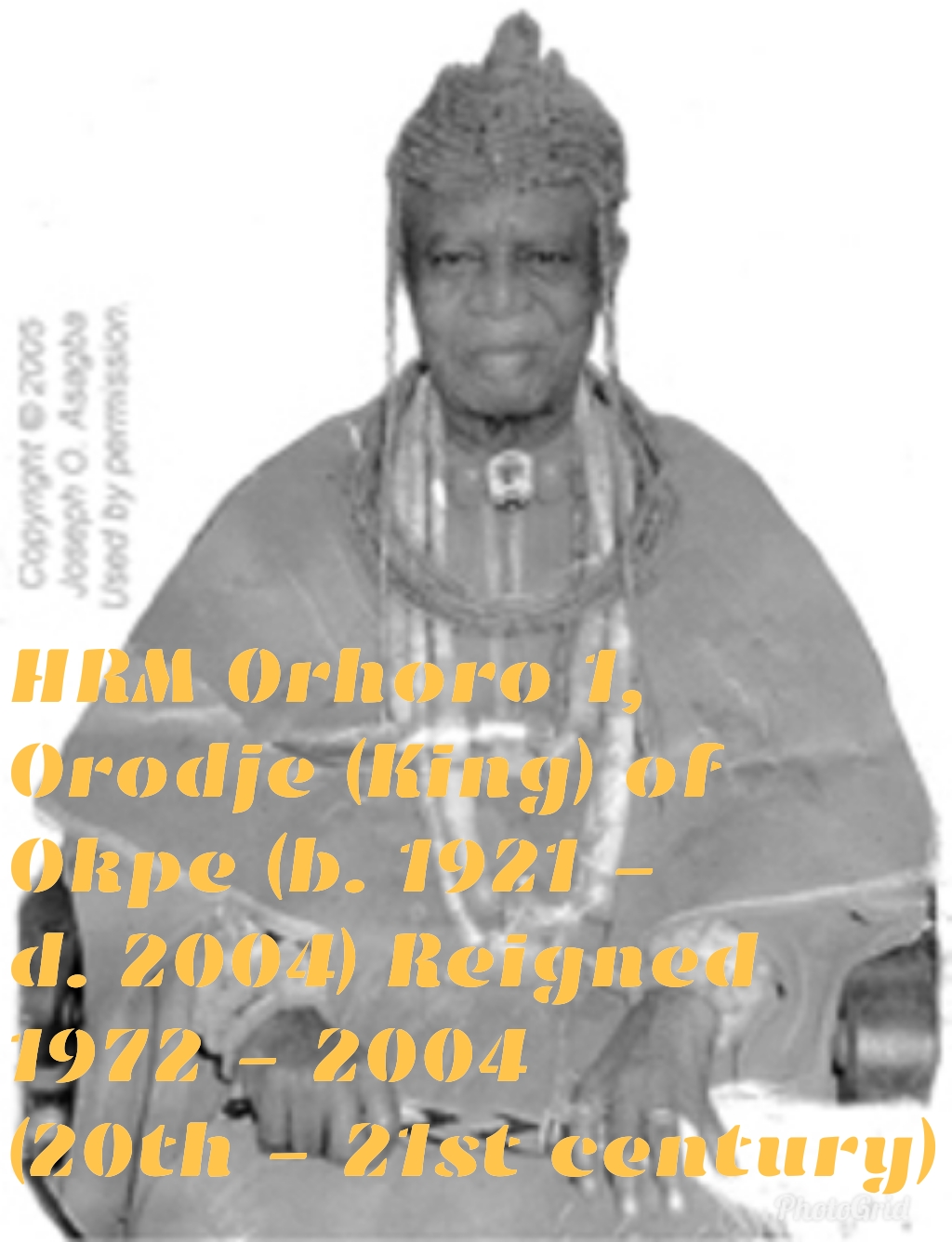
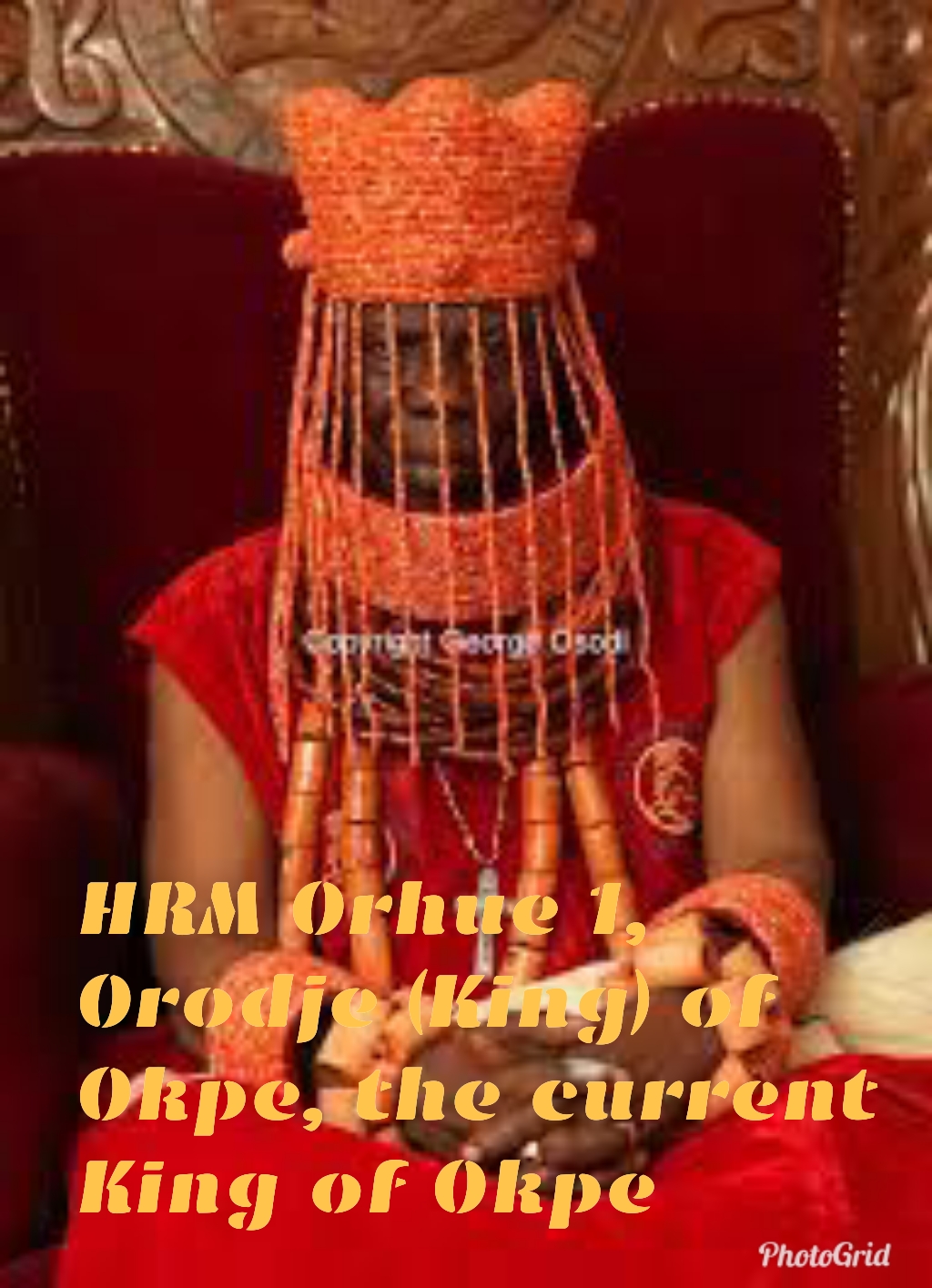
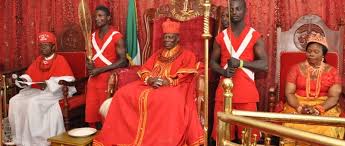
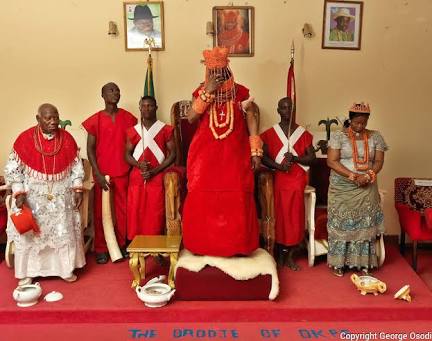
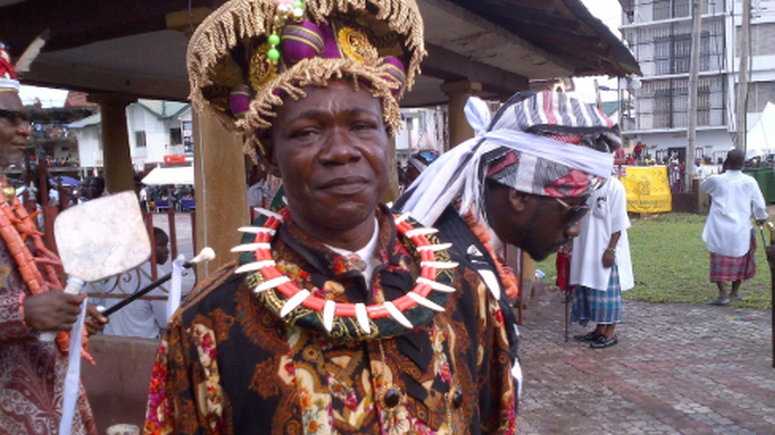
kingdom of Okpe, the largest monolithic Kingdom in Delta… Prince Igboze is the founding father of the royal family of the Okpe people. He was the son of an Oba (king) of Benin Empire. In the middle of the seventeenth century, he noticed the decline of the power of the Empire and, fearing for its future, determined to found his own kingdom. For this purpose he obtained his title of Ovie (king) from his second cousin, Oba Ahenzae of Benin, who was then on the throne, 1640 AD – 1661 AD. He left Benin Empire in the middle of the seventeenth century with his wives, family, and a number of followers (slaves) and set out southwards from Benin. It was an Israelite journey, he voyaged through modern day Auchi, Akoko-Edo, there are Okpes in Akoko-Edo till date (they were known to be the food basket of Edo then), he further located Patani through the river Niger and finally arrived at his new territory of Orere-Olomu. After a decade or so, when Igboze’s new kingdom was well established, he was later visited by an Igbo named Olomu. Olomu lived with Igboze for a long time and succeeded in winning the confidence of Igboze to such an extent that Igboze declared him his heir. Igboze, who had obtained the royal title of Ovie (king) to rule his new territory, was at the height of his power when he died. Upon Igboze’s death, Olomu took the title of Ovie. This caused a rift, because Igboze’s son, Okpe, quarreled with Olomu about who should succeed as king (Bradbury, 1957, p. 131; Hubbard, 1948, pp. 237-8; Asagba, 2005, p. 7). Okpe and his followers later left the territory and settled in the Agbarho quarters of the Isoko Okpe. Okpe lived and died in Isoko Okpe. Before his death, Okpe had four sons: Orhue, Orhoro, Evwreke, and Esezi. The descendants of those four sons are the royal members of the Urhobo Kingdom of Okpe (Otite, 1973 and Asagba, 2005). Since 1770 – 1779 AD till date the Kings are called Orodje. It is one of the many kingdoms that make up Urhobo tribe. Its capital is Orerokpe. The kingdom plays host to the Warri Airport, which is actually located at Osubi and the Delta State Trade Fair Complex. The Okpe people are known to have migrated to found the present day Sapele and the Orodje of Okpe still exercises authority over the land of Sapele. Common language, Okpe. The illustrious kingdom of Okpe as history recalls had four sons: Orhue, Orhoro, Evwreke and Esezi. These four Okpe ruling houses later decided to adopt a rotational system to produce a ruler for the kingdom. This has helped to stabilize peace and social equality in the kingdom till date. The first king produced by this system was H.R.M. Esezi I, Orodje of Okpe whose sovereignty was around the period of 1770-1779. H.R.M. H.R.M. Esezi II, became the second Orodje of Okpe. A visionary and highly idealistic monarch who believed in the system of democracy. As a pioneer advocate of democracy in the land of okpe, he also was pivotal to Nigeria. He was amongst delegates of kings that attended the 1957 Lyttelton Conference held in London in order to seek the Nigerian independence from the indirect government of the colonial master. He ruled the kingdom around the period of 1945-1966. H.R.M. Orhoro I, the third Orodje of Okpe ruled the kingdom from around the period of 1972-2004. He was educated at a Catholic school and also served in the Nigeria police force. He later earned a Business Administration Diploma in the United Kingdom. His early life experience served him well as a springboard for establishing and becoming a director of a company, the New Africa Industries Limited. He was a worthy and peace-loving monarch that held several other public posts. H.R.M. Orhue I, Orodje of Okpe is the fourth and current king of Okpe. He is a worthy monarch that served his nation as a high-ranking major general in the Nigerian Army. There is great expectations of the greatness his monarchy will add to the already illustrious history of the kingdom of Okpe…
The ancestor UJO, IJO (alias IDEKOSEROAKE), also known as UZON, IZON, IZONOWEI, KALASUO, ORU, INDO-ORU & OGULABIOWEI. THE FIRST PERE (RULER) and ancestor of the whole ethnic nationality. The Ijaws migrated from Benin between 12th and 15th century AD, common language, Ijaw.
The Sokoto Caliphate was an independent Sunni Muslim Caliphate in West Africa that was founded during the jihad of the Fulani War in 1804 by Usman dan Fodio. It was abolished when the British conquered the area in 1903 and established the Northern Nigeria Protectorate, with capital in Gudu (1804) Sokoto (1804–1850, 1851–1902) Birnin Konni (1850) Burmi (1903), the King is Sultan, common language, Arabic (official), Hausa, Fula.
Other Kingdoms and Empires of Africa
The Kingdom of Zulu, sometimes referred to as the Zulu Empire or the Kingdom of Zululand, was a monarchy in Southern Africa that extended along the coast of the Indian Ocean from the Tugela River in the south to Pongola River in the north, with capital in kwaBulawayo; umGungundlovu; Ulundi, was established 1816 – 1897 AD. The King is Inkosi, common language, Zulu.
The Kingdom of Kongo was spread across parts of what is now Angola, DRC, Republic of the Congo, and Gabon in 1390 AD – 1914 AD, with capital in Sao Salvador, Angola. Before European powers divided the African continent during the Scramble for Africa, the modern-day countries of the Democratic Republic of Congo and the Republic of Congo both formed part of the Kingdom of Kongo. Although the kingdom’s precise boundaries are uncertain today, this empire did eventually stretch into both modern-day Congos and Angola under the leadership of a Kikongo warrior, Luken Lua Nimi, whose military and political prowess dominated central Africa for centuries. Kongolese society was a quasi-feudal one and its economy was fueled by trade routes following rivers in the region and dealing in textiles, pottery, copper, and ivory, common language, Kongo, Portuguese.
I would like to stop here… But as the voyage continues I will contribute more on other kingdoms and Empires in Africa if necessary.
 Okpe Quotidians